

Brave a little public nudity at a jjimjilbang, and you’ll get access to an unforgettable cultural experience… one you definitely shouldn’t miss. These huge Korean saunas and bathhouses are as much a way of life for locals as kimchi!

Everyone from couples to families to work associates visit them together to relax and socialize. But… I admit visiting a traditional Korean spa can be more than a little intimidating for beginners.
Worry not. In this complete guide, I’ll fill you in on all the specific jjimjilbang etiquette, bathhouse rules, and tattoo policies you need to know, so you can fully enjoy the experience without embarrassment.
*Any purchases made through affiliate links here help run this site.
TITLE: ⚡ Jjimjilbang at a Glance: Quick Info & Etiquette INTRO_START Want the fast facts before diving in? This quick guide highlights the essential entry rules and pricing details for traditional Korean saunas. If you’re a bit nervous about public nudity, you can easily swap the communal bathhouse experience for a luxurious, private Korean body scrub in Seoul instead! INTRO_END INFO1_ICON: 🧼 INFO1_LABEL: Bathhouse Etiquette: INFO1_TEXT: You must strip completely naked in the wet zone and shower thoroughly before entering any pools. INFO2_ICON: 🏷️ INFO2_LABEL: Jjimjilbang Cost: INFO2_TEXT: Entrance fees for basic neighborhood saunas range from 8,000 to 15,000 KRW, though luxury Korean saunas can cost more. INFO3_ICON: 🎨 INFO3_LABEL: Tattoo Policy: INFO3_TEXT: Unlike Japanese onsens, tattoos are generally perfectly acceptable in nearly all jjimjilbang. INFO4_ICON: 🧳 INFO4_LABEL: What to Bring: INFO4_TEXT: Jjimjilbang uniforms and small towels are provided; bring your own skincare, face wash and big towel if you prefer it (I always do). BTN_TEXT: Search for your private Korean body scrub here → BTN_URL: https://creatrip.com/en/search?search=private+scrub&tab=ALL&utm_source=AFF-recWirkWhat is a Jjimjilbang? (Korean Bathhouse vs Sauna)
You’ll often find the words jjimjilbang and mogyoktang used interchangeably by travellers, but there are some pretty big differences between them. Depending on who you ask, you’ll also hear these facilities referred to as a Korean bathhouse, Korean sauna, or Korean spa.
The most important distinction to note here is that all jjimjilbangs contain a mogyoktang, but not all mogyoktangs have a jjimjilbang attached.
- Mogyoktang (목욕탕): This is the gender-segregated public bathhouse zone consisting exclusively of hot water pools, cold tubs, and open shower stalls where complete public nudity is expected.
- Jjimjilbang (찜질방): The co-ed, communal lounge area with specialized dry kiln saunas (like salt and clay rooms), dining halls, sleeping areas, and other entertainment where visitors must wear the provided jjimjilbang outfit.
Mogyoktang: The Traditional Korean Bathhouse
A mogyoktang (목욕탕) is a traditional public Korean bathhouse. These are usually highly practical, neighborhood-focused facilities with open areas for bathing or showering, a few communal hot tubs, steam rooms, and dedicated stations for intense body scrubbing services (seshin).
They’re strictly gender-segregated, and the wet zones are where complete public nudity is the expectation.

For me, these neighborhood bathhouses are associated with a less developed Korea. My very first visits to a traditional mogyoktang were back in the 1980s when I was a kid – long before South Korea transformed into the slick, ultra-modern tech powerhouse it is today.
People would head to these (commonly) basement level Korean bathhouses to literally take a shower or bath, because conveniences like reliable on-demand hot running water were in short supply. Even in modern-day Korea, there are still some older buildings or villas that don’t have heated bathrooms. Because of this, traditional Korean bathhouses are still a pretty common sight in most residential neighbourhoods.
Jjimjilbang: The Co-ed Korean Sauna Area
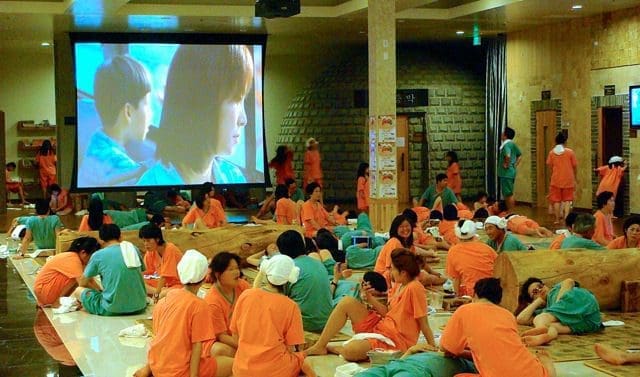
A jjimjilbang (찜질방) is a wellness and entertainment facility centred around heated relaxation rooms and traditional kiln saunas of varying temperatures. Unlike the mogyoktang, these public spaces are enjoyed by all genders together, wearing uniforms provided by the sauna when you check-in.
The standard local routine is to thoroughly wash in the gender-segregated mogyoktang area first, change into your Korean sauna uniform, and then head to the communal jjimjilbang zones to sweat, eat, relax, and socialize.
Beyond the traditional hot and cold kiln saunas, a fully equipped Korean jjimjilbang can have:
- Dining Options: Casual restaurants serving hot food and classic Korean sauna treats, like sikye and baked eggs.
- Entertainment Zones: PC rooms (internet cafes), noraebangs (karaoke), arcade games, and TV or movie screening rooms.
- Wellness Services: Full-body massage chairs, professional nail salons, and dedicated facial spas.
- Rest Areas: Open floor lounges with floor mats, quiet overnight sleeping areas, and fitness rooms.
Because of this mix of amenities, spending a day at a Korea bathhouse is a great way to escape bad weather. If you want to expand your itinerary with similar spots, check out my full guide to the best indoor things to do in Seoul for a complete list of 76 rainy day activities.

What to Know Before You Go to the Jjimjilbang: Tattoos & Packing Tips
Before heading to your first Korean sauna or bathhouse, there are a couple of things most first-time travellers are anxious about: tattoo restrictions and what gear they need to bring to the jjimjilbang.
Korea Travel Essentials
Don’t board that plane to Seoul until you’ve sorted out accommodation, transport from the airport, and your data on the ground.
What to Pack for a Korean Sauna Day
When you’re putting together your daypack for a day at the jjimjilbang, the general rule is that less is more. These facilities are fully loaded with amenities, and your baseline entry fee covers almost all your basic necessities like your matching sauna uniform and hand towels.
However, there are a few extra comforts and local quirks—like paying for hair dryers—that you’ll want to prepare for. I’ve broken down exactly what you should bring versus what to leave at home in the quick checklist below.
TITLE: 🎒 KOREAN BATHHOUSE CHECKLIST: WHAT TO BRING VS. LEAVE AT HOME COL1_TITLE: Put in Your Daypack COL2_TITLE: Leave at Home PACK_ITEM: Face wash and your favourite skincare since jjimjilbang usually only provide basic body soap PACK_ITEM: Travel-sized shampoo and conditioner if you’re picky about your hair products PACK_ITEM: A hair tie or clip because you’re expected to keep long hair out of the shared pools in the mogyoktang PACK_ITEM: A few 100-won coins if you’re visiting local spots, as hair dryers often require coins to run PACK_ITEM: A full-sized bath towel if you have long hair or just prefer more coverage than the two tiny hand towels they give you PACK_ITEM: A phone charger to juice up your battery while you’re relaxing or sleeping over PACK_ITEM: Earplugs and an eye mask if you plan to stay overnight in the communal sleeping areas BUY_ITEM: Swimming suits and trunks because you’re completely naked in the wet baths anyway BUY_ITEM: Outside food and heavy snacks because the communal cafeterias and snack bars have everything you need BUY_ITEM: Pricey jewelry or valuables that you might lose while sweating or soaking BTN_TEXT: Read my Complete Guide to Saving Money at Korean Skin Clinics here → BTN_URL: https://travel-stained.com/skin-treatments-in-korea/Once you’ve got your gear sorted out, there’s one more major hurdle that some first-time international travellers worry about before stepping up to the front counter: body art.
Are tattoos allowed in a Korean jjimjilbang?
The short answer is yes, tattoos are generally perfectly acceptable in Korean jjimjilbangs.
If you’ve researched traditional bathhouses in Asia, you’ve probably seen notoriously strict tattoo bans at Japanese onsens.

Fortunately, South Korea has a vastly different culture. While traditional Confucian roots mean halmeoni might give your body art a curious look, modern Korean saunas almost never ban or restrict visitors with tattoos.
- Public Korean Bathhouses (Mogyoktang): You’re completely free to enter the naked wet zones with tattoos of any size, colour, or style.
- Flagship Spas (e.g., Aquafield, Cimer): High-end, foreigner-friendly lifestyle spas are totally accustomed to international tourists with ink.
- The Only Exception: If you possess massive, full-body ink with intricate organized crime motifs (like Japanese Yakuza-style), a conservative, traditional neighbourhood bathhouse outside of the major tourist hubs might ask you to cover up or leave to keep local families comfortable.

I’ve personally never gone to a jjimjilbang where having a tattoo was an issue, but it’s still always best to check with the one you plan to go to.
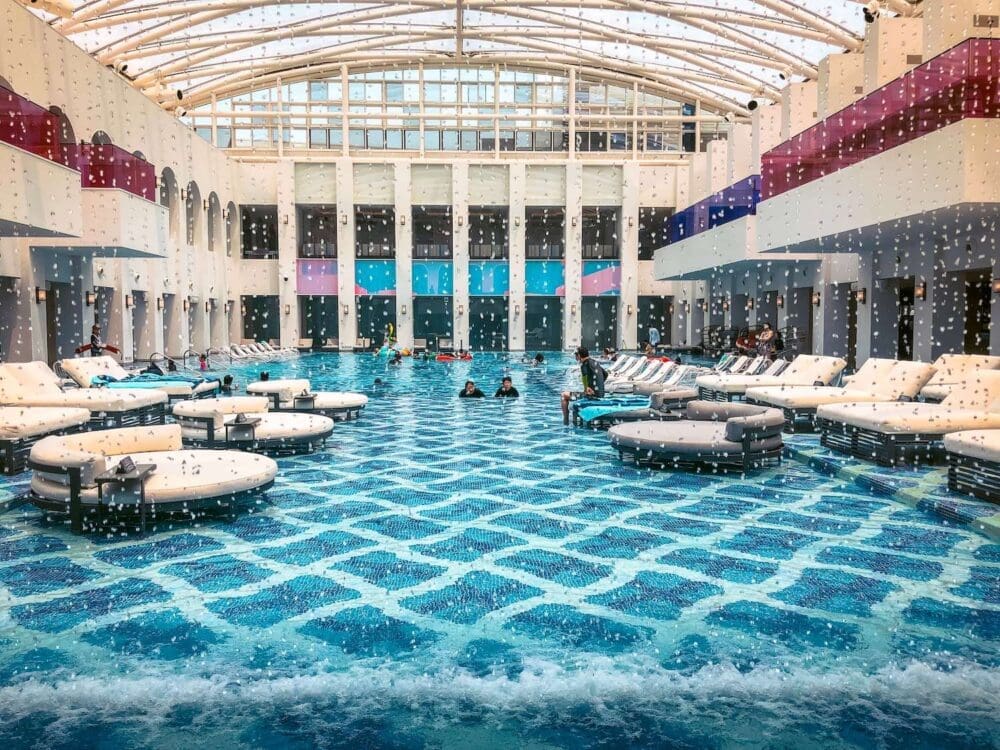
HEADLINE: Ready to Experience one of Korea’s Best Luxury Jjimilbangs? DESC_START If you’re still feeling a bit nervous about visiting a traditional neighbourhood Korean bathhouse, booking a day pass to Aquafield is the perfect alternative. This premium Korean sauna features stunning infinity pools, high-end relaxation zones, and clean, modern facilities that are incredibly welcoming to international travellers. In fact, most of the pics you see in this guide, are from there! DESC_END BTN_TEXT: Book your discounted Aquafield tickets here → BTN_URL: https://klook.tpk.ro/331OwZNGJjimjilbang Etiquette: A Step by Step Guide
Confusion. That was my overriding emotion the first time I visited a jjimjilbang in Korea.
You’d think it’d be as simple as entering a spa, but the truth is there’s a definite etiquette that begins from the moment you enter the Korean sauna facility. Don’t worry – I’ll break this down for you step by step, so you don’t have to endure the same confusion and awkwardness I did.
Step 1: Store your shoes, pay the admission fee, and collect your towels and jjimjilbang outfit.
When you enter the jjimjilbang, you’ll likely be faced with a huge wall of small lockers. These are for your outdoor shoes, which cannot be worn into the facility. Take off your shoes, place them inside an open locker, lock it up, and keep the key with you. Keep this shoe key with you.

Sometimes you pay first and are given a certain locker number and key. Sometimes, you just put your shoes in any locker, but note that they’re usually segregated by gender, so make sure you’re on the right side.
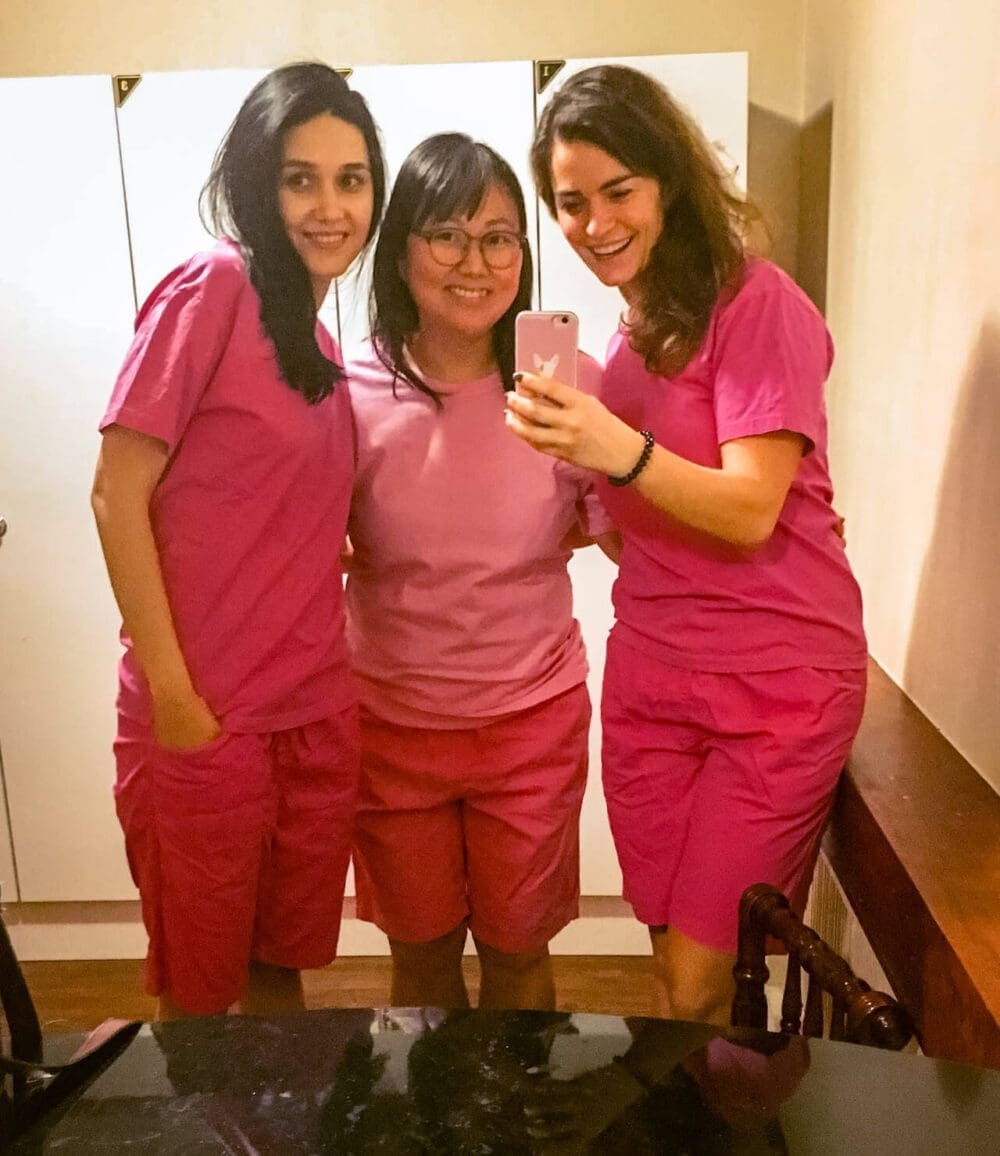
After paying the admission fee, you’ll receive a numbered key / wristband, 2 small towels and a jjimjilbang outfit (usually a loose, matching t-shirt and shorts set). Most jjimjilbang these days also give you an electronic wristband key. This wristband matches your clothes locker, and acts as a digital wallet to buy snacks or services inside, so you don’t have to carry a credit card or cash around inside the Korean sauna. Take all of these items into the locker room with you.

I usually bring a large towel from home with me to the jjimjilbang (being Canadian, those small towels don’t do it for me haha), as well as my own toiletries and skin products, but you don’t really have to.
You can buy single use packages of everything inside the mogyoktang area to use – and some places even provide shampoo, toothpaste, and bar soap for free.
Sometimes you pay first and are given a certain locker number and key. Sometimes, you just put your shoes in any locker, but note that they are usually segregated by gender, so make sure you’re on the right side.
Step 2: Find your locker in the gender-segregated jjimjilbang locker room and strip down to enter the mogyoktang.
f you didn’t find the shoe lockers at the entrance to the facility, they might be next to the locker rooms. If so, store your shoes before entering the change rooms. Once inside, look for the locker associated with the number on your key / wristband.

If it’s your first time visiting a jjimjilbang, this might be the most challenging step for you – but trust me, there’s nothing to be embarrassed about.
Most Koreans have been going to the mogyoktang since they were small children, and it’s as natural to us as breathing. In fact, you’ll draw more attention to yourself by trying to hide, so just get out there and strut your stuff.
TITLE: NAVIGATING SEOUL AS AN INTROVERT BODY_START If the idea of navigating a busy changing room completely naked has your inner introvert screaming, don’t panic. You can check out my full introvert’s survival guide to Seoul for realistic tips on how to find quiet spaces and handle the city’s highest-energy zones completely stress-free. BODY_ENDStep 3: Enter the mogyoktang (Korean bathhouse) and get squeaky clean before the pools.
This is the wet area of the facility and it should be your first stop, before entering the jjimjilbang and other facilities. If you wish, you can use one of the towels to sit on in the steam room. Better yet – wrap your hair into yang meori.
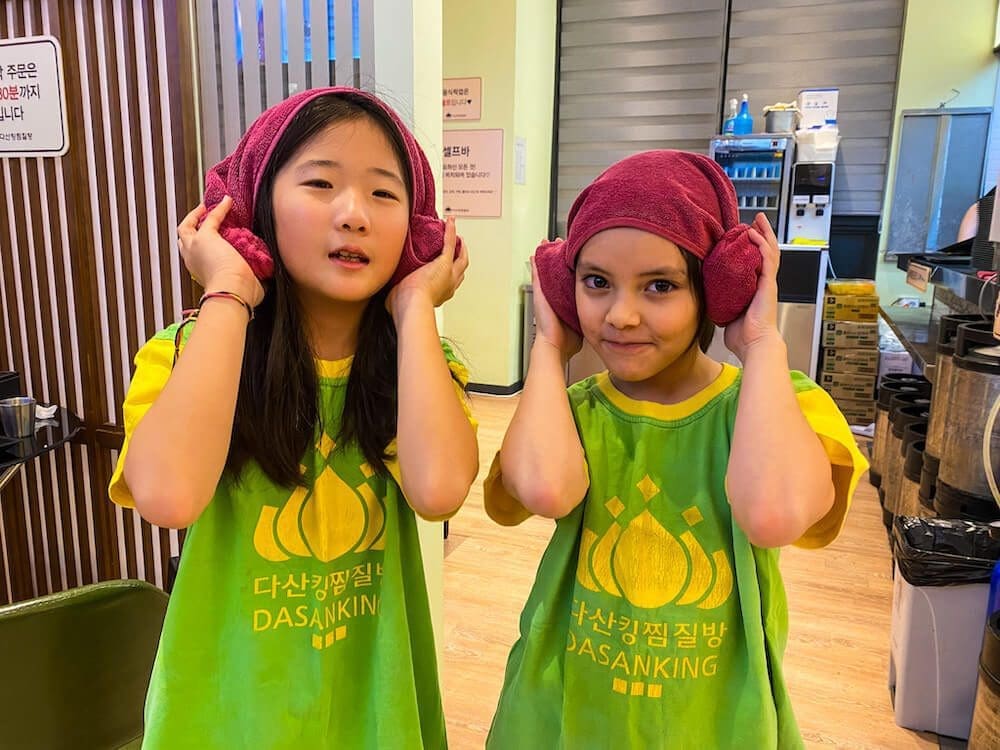
Bring your key / wristband into the mogyoktang with you, and nothing else. It’s used to keep track of anything you buy in the Korean sauna, so there’s no need to carry any cash with you. Also, don’t lose it!
BEFORE entering any of the pools in the mogyoktang, make sure to shower yourself clean, and tie up your hair if it’s long.
In the Korean bathhouse area, you’ll usually find shower stalls, hot and cold pools, a few steam rooms, and an area to get a traditional body scrub (sesin) by strong Korean women, usually only wearing lingerie, so don’t be shocked.
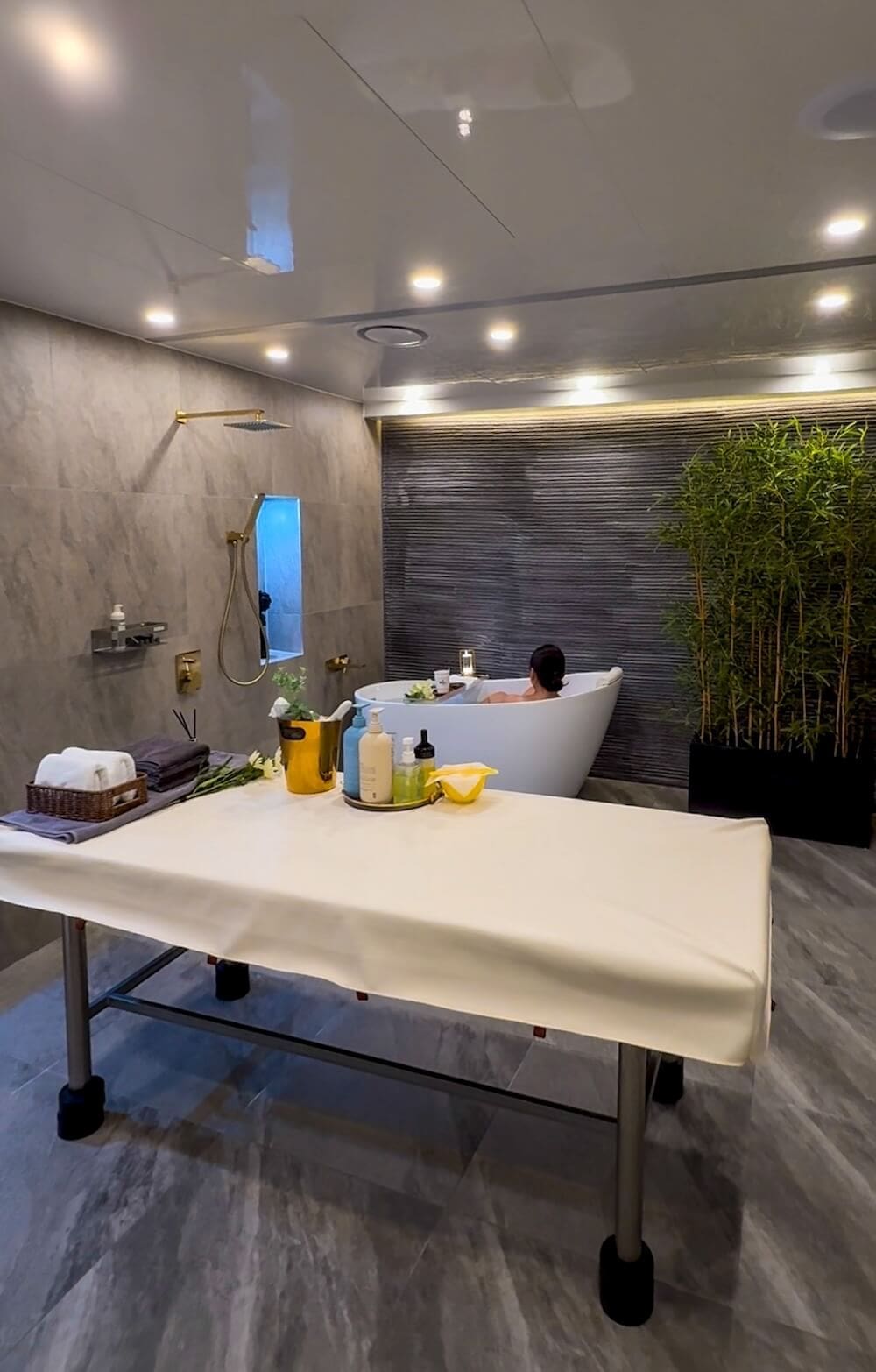
If you’re brave enough, it’s totally worth doing. You’ll come out with skin as smooth as a baby’s bottom.
If you want to get a Korean body scrub, give your key / wristband to the scrubbing ladies right away because there’s usually a bit of a wait. They’ll call your key number when it’s your turn.
HEADLINE: Nervous About the Traditional Bathhouse BODY Scrub? DESC_START If the idea of an public communal scrub feels a bit too intimidating for your first trip, booking a private treatment is a great alternative. You can skip the crowded bathhouse floor entirely and book a luxurious, private Korean body scrub in Seoul to get that same baby-smooth skin in your own private room. DESC_END BTN_TEXT: Book a private Korean body scrub here → BTN_URL: https://creatrip.com/en/search?search=private+scrub&tab=ALL&utm_source=AFF-recWirkStep 4: Enjoy the mogyoktang facilities or head straight into the co-ed jjimjilbang to get your sweat on.
After you’ve showered, you can enjoy the hot tubs, steam rooms, and any other facilities in the mogyoktang. If you’d like to avoid as much public nudity as possible, you can also opt to head straight into the jjimjilbang. Be sure to change into the sauna outfit you received at the entrance before entering, otherwise you’ll really get a lot of strange stares.
Every jjimjilbang offers varying levels of services and saunas, ranging from basic to luxury. Each sauna usually has a sign outside with details about what’s inside, as well as the temperature of the room. Don’t be shy about entering any of the rooms and getting your sweat on.

Keep in mind though, that Koreans want the jjimjilbang to be a rejuvenating and cleansing experience, so don’t ruin the peaceful vibes with loud conversation and endless selfies.
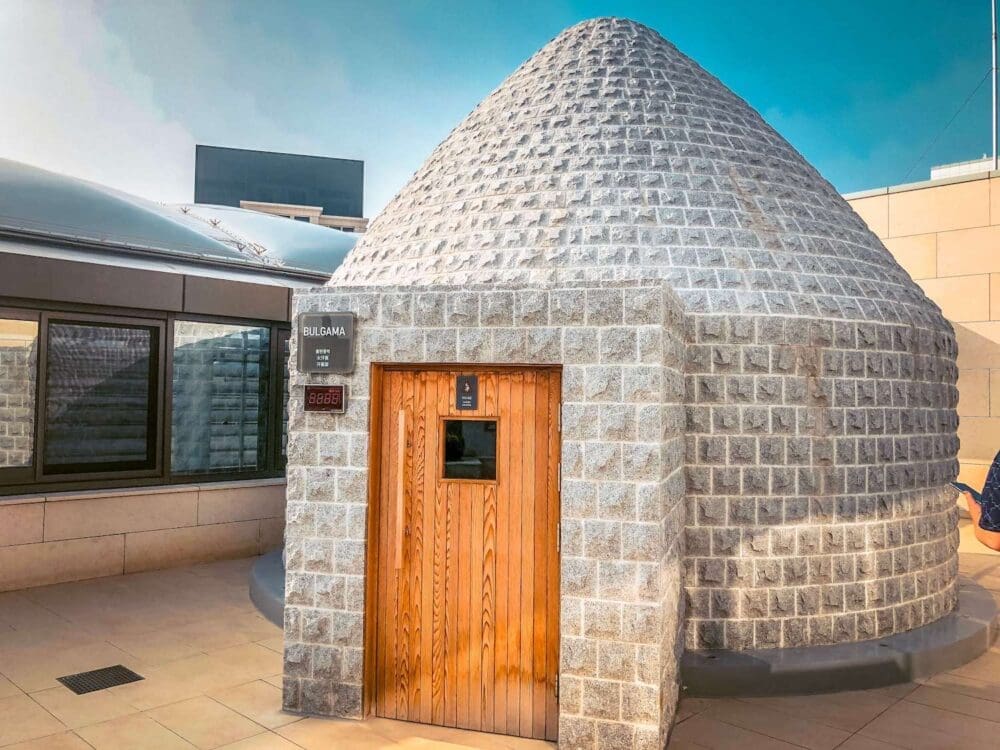
If you’re trying to figure out which specific jjimjilbangs to add to your Seoul itinerary, popular choices like Sparex in Dongdaemun, the massive Spa Land Centum City in Busan, or the 24-hour Bulgama in Hongdae are all fantastic, beginner-friendly Korean sauna options to check out.
TITLE: 🧱 RECOMMENDED JJIMJILBANGS IN KOREA DESC_START Finding the right bathhouse depends entirely on what kind of experience you’re looking for, whether that’s a convenient overnight stay in Seoul or a massive luxury day spa. If you want to make sure you’re booking a foreigner-friendly spot with great facilities, these are three of the most popular and highly rated options to check out. DESC_END C1_LABEL: Sparex Dongdaemun (Seoul) → C1_URL: https://creatrip.com/en/spot/13261?utm_source=AFF-recWirk C2_LABEL: Spa Land Centum City (Busan) → C2_URL: https://klook.tpk.ro/vzfPEy2O C3_LABEL: Hongdae 24 Hour Bulgama (Seoul) → C3_URL: https://creatrip.com/en/spot/13512?utm_source=AFF-recWirk&affNote: If you’re looking for previously famous hubs like Dragon Hill Spa or Siloam Sauna, be aware they permanently closed their doors quite some time ago. Stick to active spots like Sparex or Aquafield instead.
Step 5: Eat traditional jjimjilbang snacks, relax, sleep, or play.
If you need a break from all that sweating, you can take advantage of all the other amenities in the jjimjilbang, whether it’s a massage, movie, meal, or nap. Usually, your key fob is used to keep track of your purchases, and tallied up at the cash when you leave.

One of my favourite parts of the whole experience is hitting the snack bar. After sweating it out in the hot saunas, replenishing your body with traditional treats is an essential ritual. If you want to eat like a local, make sure you look out for these classic jjimjilbang treats:
- Korean Baked Eggs (Maekbanseok Gyeran – 맥반석 계란): These are slow-cooked inside the high-heat stone saunas, giving them a distinct brown shell, a deeply nutty flavour, and a unique bouncy texture. Crack the shell directly on your friend’s head. You’ll fit right in with the locals.
- Sweet Rice Punch (Sikhye – 식혜): The ultimate, non-negotiable jjimjilbang beverage. Poured ice-cold into massive plastic containers, this traditional fermented rice drink balances your body temperature and replenishes sugars lost from sweating + it’s delicious!
- Roasted Grain Drink (Misutgaru – 미숫가루): A thick, comforting beverage made by mixing sweet, roasted multi-grain powder with ice water or milk. It’s sweet, incredibly filling, and deeply traditional.
- Banana Milk (바나나맛우유): Downing a sweet, ice-cold carton of banana milk right after stepping out of a scalding hot shower stall is super nostalgic and refreshing.
- Korean Ramyun (라면): Nothing hits quite like a steaming bowl of spicy instant noodles inside the jjimjilbang. You can grab cup noodles easily at the snack bar.

Step 6: Return your keys and settle your final bill.
When you’re all sauna-ed out, head back into the change rooms. You might want to take another quick shower to rinse off all your sweat – but this is up to you.
Drop your used towels into the bins, gather up all your belongings, and make sure you take your locker room key / wristband with you to the cash. You’ll pay for any extra services or purchases as you exit the jjimjilbang.

Can You Stay Overnight at a Jjimjilbang?
Yes, most traditional 24-hour jjimjilbangs allow you to stay overnight, making them a budget-friendly alternative to a hotel or hostel. The entry fee typically covers a 12-hour stay. If you exceed this window, a small hourly surcharge (usually around 1,000 to 2,000 KRW per hour) is added to your key locker at checkout.
While it is incredibly affordable, keep a few realities in mind before you decide to stay the night in a Korean sauna.
- Midnight Pool Closure: If you were thinking you’d be able to use the hot tubs or cold plunges well into the night, think again. While the co-ed sauna and common areas can stay open 24 hours, the gender-segregated mogyoktang typically closes overnight for deep cleaning, drainage, and water maintenance (a good thing). Make sure to squeeze in your soaking sessions before midnight or early the next morning (better – cleaner water).
- Sleeping Setup: You’ll likely be sleeping on the floor in a large, communal, co-ed hall using thin PVC mats and hard plastic or blocks of wood as pillows (mokchim).
- The Noise Factor: Jjimjilbang communal areas are notorious for heavy snoring, shifting bodies, and late-night chatters. Always pack earplugs and an eye mask if you hope to get any deep sleep.
- Separate Sleeping Quarters: Many bathhouses offer designated, quieter “Men-Only” and “Women-Only” sleeping rooms off to the side of the main hall if you prefer privacy or a quieter environment.

Safety for Women at the Korea Sauna
For solo female travellers or first-timers, visiting a Korean bathhouse is an incredibly safe and liberating experience. Because self-care and public bathing are completely normal parts of Korean culture, the atmosphere inside is respectful and matter-of-fact. We’ve all been going to mogyoktang since we were kids!
For your peace of mind though, it’s good to know the following things.
- Complete Separation of Nude Zones: The wet bath areas (mogyoktang) and changing locker rooms are strictly segregated by gender. There are entirely separate entrances, floors, or clearly marked doors for men and women. You’ll only ever be in a co-ed environment when you’re fully clothed in the provided jjimjilbang t-shirt and shorts.
- Strict Camera and Phone Bans: To protect everyone’s privacy, photography and video recording are strictly prohibited inside the locker rooms and wet baths.
- Shared Spaces: You can bring your phone out into the Korean sauna area to take photos of your food or your friends wearing “lamb head” towels.
- Secure Lockers for Valuables: Your electronic wristkey controls both your clothing locker and your shoe locker. It’s best to avoid carrying too much physical cash, loose cards, or expensive jewelry while you’re using the facilities. The risk of theft in Korea is incredibly low, so that’s not really a concern – it’s much more likely you’ll drop something in one of the pools or saunas.

Solo Female Overnight Stays at the Jjimjilbang
If you take advantage of a 24-hour jjimjilbang to sleep overnight, you don’t have to sleep in the mixed area, if it feels uncomfortable.
Almost all major bathhouses feature dedicated “Women-Only Sleeping Rooms“ (Yeoseongjeonyongsumeonsil – 여성전용수면실). These rooms are tucked away, blocked from view, much quieter, and offer a completely secure space to rest for the night.
FAQ: Korean Spa & Jjimjilbang Rules
LABEL: 📋 People Also Ask FAQ_START Q: Do I have to be completely naked in a Korean bathhouse? A: Yes, complete nudity is strictly required in the gender-segregated wet bath areas (mogyoktang). However, you will wear a provided matching t-shirt and shorts uniform in the shared, co-ed kiln sauna and lounge areas (jjimjilbang). FAQ_END FAQ_START Q: Are tattoos allowed in a Korean jjimjilbang? A: Yes, tattoos are generally perfectly acceptable in Korean saunas and bathhouses. Unlike the highly strict tattoo bans found in Japanese onsens, Korean jjimjilbangs rarely restrict visitors with tattoos, though conservative local spots might attract a few extra stares. FAQ_END FAQ_START Q: How much does it cost to go to a jjimjilbang in Korea? A: Basic admission fees are very budget-friendly, typically costing between 8,000 to 15,000 KRW for a standard entry block. Premium or luxury modern facilities like Aquafield or Cimer will cost more, and any extra internal services like food or body scrubs are tallied via your wristband key. FAQ_END FAQ_START Q: Can I go to a Korean spa or jjimjilbang on my period? A: Yes, but you cannot use the communal hot tubs or pools for hygiene reasons. You are perfectly welcome to wear the provided uniform, relax in the dry kiln saunas, eat at the snack bars, and use the standard sit-down shower stalls. FAQ_END FAQ_START Q: Is staying in a jjimjilbang overnight safe? A: Yes, staying overnight in a 24-hour jjimjilbang is highly safe and an incredibly popular budget accommodation choice in Korea. Most facilities offer dedicated, quiet sleeping mats; your biggest issue will simply be fellow travelers snoring loudly. FAQ_END FAQ_START Q: What are the best foods to order at a Korean sauna? A: The essential culinary ritual is ordering “Sikhye” (a refreshing, ice-cold sweet rice drink) and “Maekbanseok Gyeran” (nutty, slow-roasted sauna eggs). Another local post-sauna favorite is a hot bowl of comforting “Miyeok-guk” (seaweed soup). FAQ_END HEADING: 🩺 READY TO TAKE YOUR KOREAN WELLNESS JOURNEY A STEP FURTHER? TEASER_START Now that you’re completely clean, relaxed, and know how to navigate the Korean bathhouse scene, you’re officially ready for the next step in Korean self-care. If you want to keep trying local health treatments while you’re in Seoul, there’s a lot more to explore beyond the jjimjilbang. For a truly unique wellness experience, you can check out my review of getting treatments for buffalo hump and facial asymmetry at Duna Clinic in Seoul. It’ll explain how traditional Korean medicine clinics use advanced AI diagnostics to fix your posture and structural misalignments. TEASER_END BTN_TEXT: Read my honest Duna Clinic posture & facial asymmetry review here → BTN_URL: https://travel-stained.com/buffalo-hump-facial-asymmetry-duna-clinic-seoul/I originally researched, wrote & published this guide on February 17, 2021. I review & update my content for accuracy regularly. Watch out for copycats.This post was last updated on July 19, 2026. Copyright © 2021–2026 Travel-Stained. All rights reserved.




안녕하세요 Shelley.
Thank you so much for all your insights. I’ll defenititely go to jjijmjilbang 🙂
What are Korean usages regarding waxing, especially bikini hair removal? Is doing it or not doing it might be shocking ?
I’ll be in Korea end of this month and I’ll drink a toast to you and your precious blog!
Hmm… there’s tons of bikini waxing and laser available in Korea, so people must do it! Tbh, unless you go to a jjimjilbang where a lot of tourists go, people are gonna stare at you no matter what – just because you’re not Korean haha. I’d just do whatever makes you feel comfortable. I need to get back there myself for a strong scrub!
thanks for sharing seems to be similar yet different to an onsen experience
Yes – that’s a good way of thinking of it… jjijmjilbang has a lot more going on than onsen I think – there are even some with driving ranges and karoake rooms!
Are tattoos ok?
There’s no rule saying you can’t enter with them – and friends with huge tattoos have visited no problem. People at more local places will probably stare though just fyi – maybe check out Dragon Hill or one of the other jjimjilbangs used to tourists if you want to avoid that.