

-
Visiting Korea in May 2024 | Weather, What to Wear + Best Spring Festivals
Get the lowdown on what's happening in Korea in May.

-
< Miniature Life ・ Mitate Mind Review > Inside Tatsuya Tanaka’s Witty and Surprising World
Cultivating a mitate state of mind.
-
Visiting Korea in April 2024 | Weather, Best Festivals + Packing List
Here's the lowdown on what to expect in South Korea in April.
-
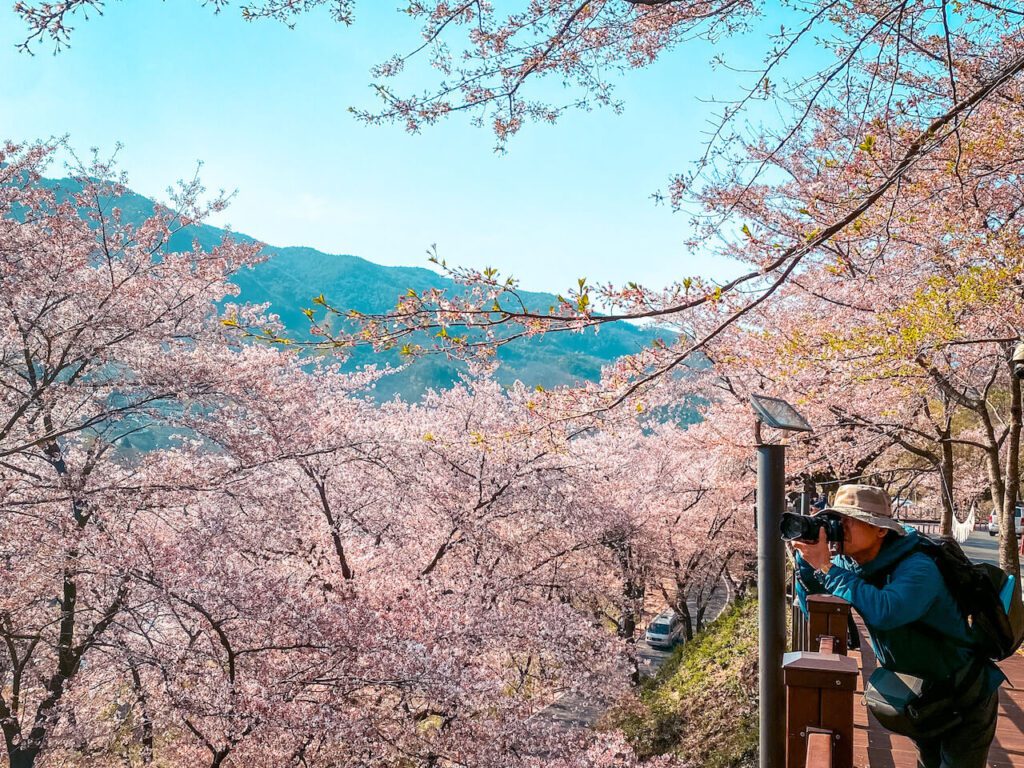
Spring in Korea 2024 | Weather, the Best Festivals, Food & Things to Do
Korea in Spring? Cherry blossoms, great weather and epic festivals await you.
-
The 5 Best Places to Spot Cherry Blossom in South Korea (the Most Breathtaking!)
My top 5 cherry blossom spots in South Korea.
-
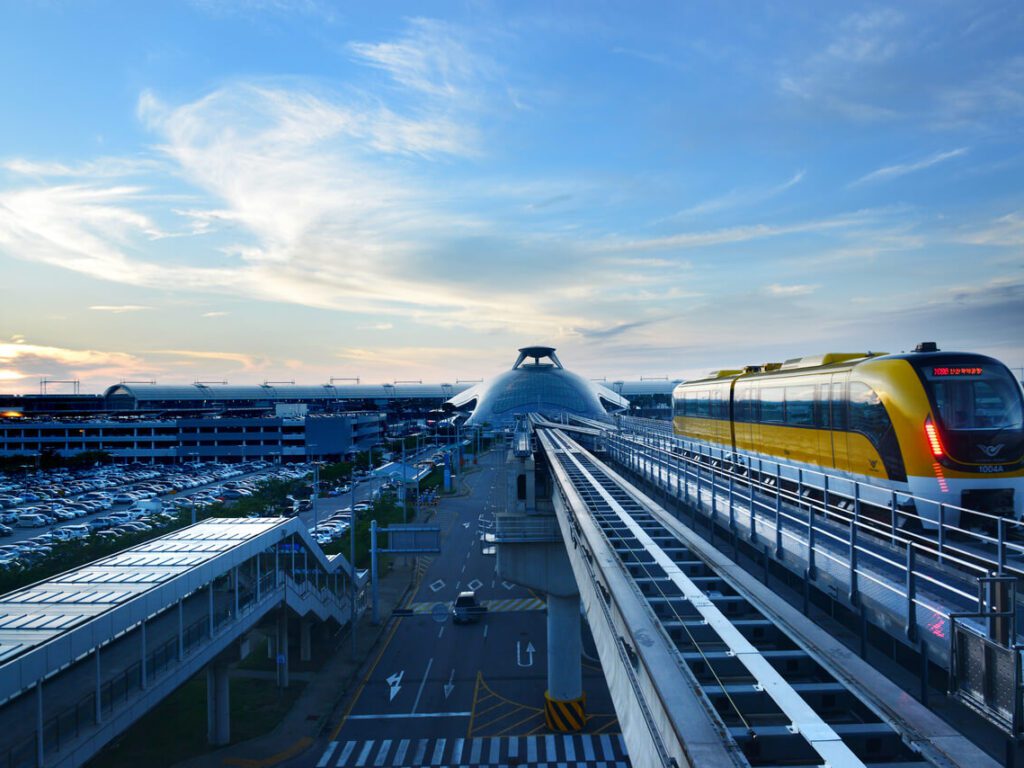
From Incheon Airport to Myeongdong 2024 | Complete Transportation Guide (from a Local!)
Need to get from Incheon Airport to Myeongdong? Here's how.
-
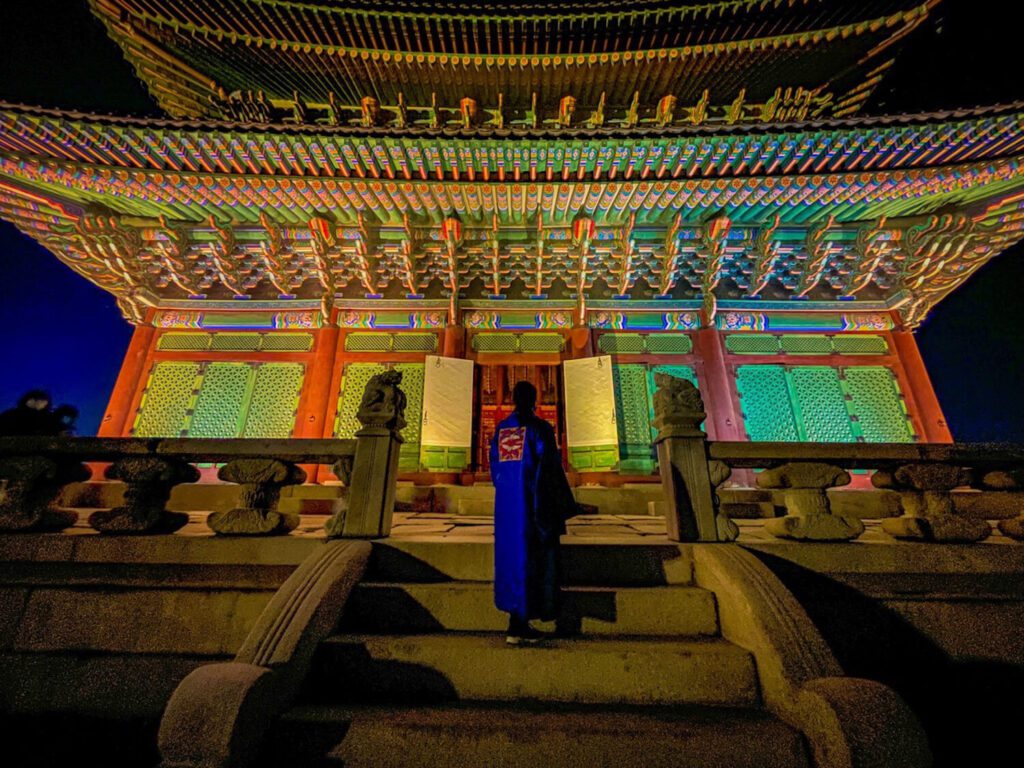
How to See the Sublime Gyeongbokgung Palace at Night 2024
Gyeongbokgung Palace at night is incredibly special.
-
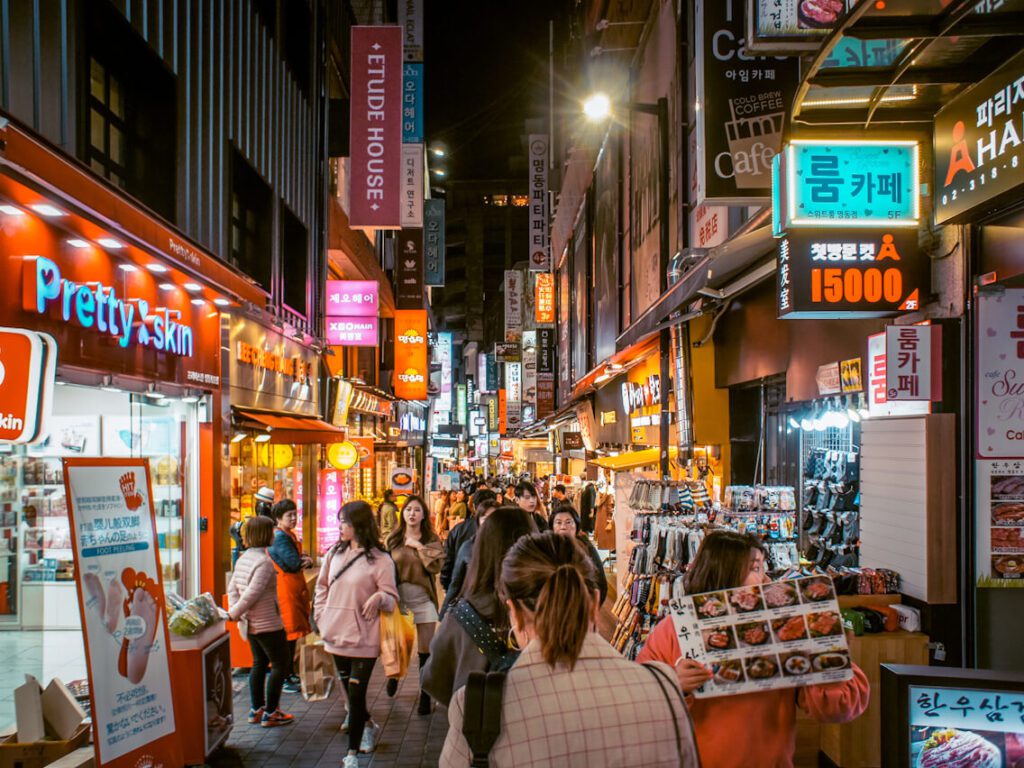
15 Excellent Hotels in Myeongdong | The Best Places to Stay in Seoul’s MOST Convenient Neighbourhood
Can't decide where to stay in Myeongdong? Let me help you choose!
-
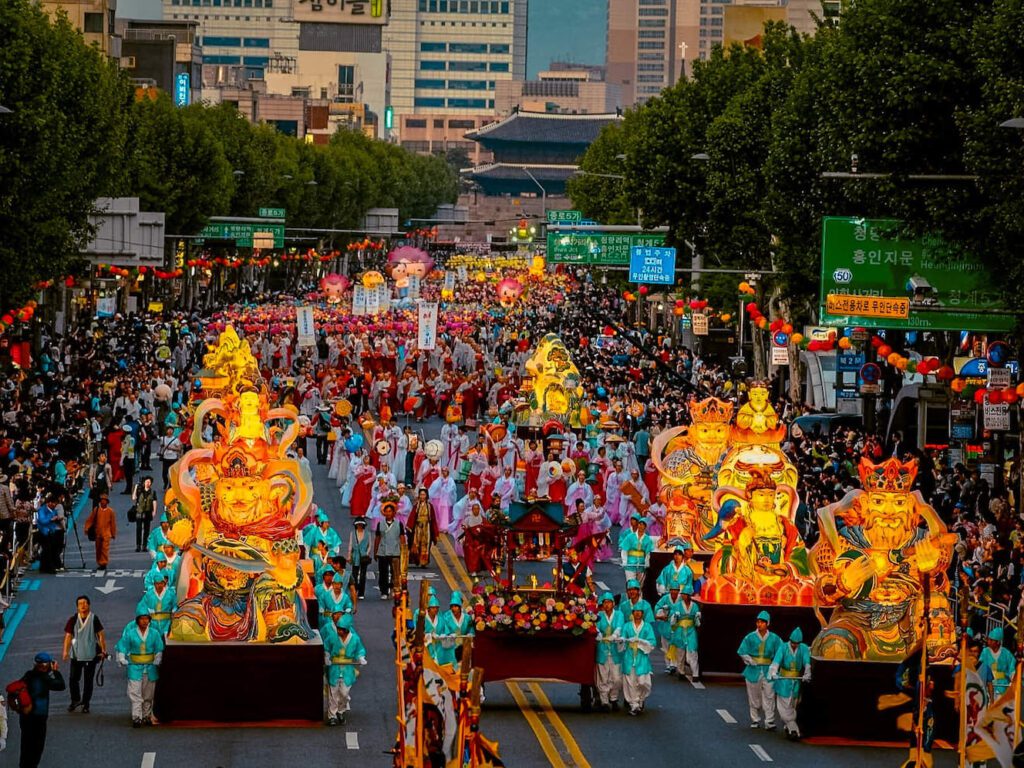
Lotus Lantern Festival in Seoul 2024 | 7 Inspiring Things to See at YeonDeungHoe
Buddhist or not, this is one of Seoul's best festivals.
-
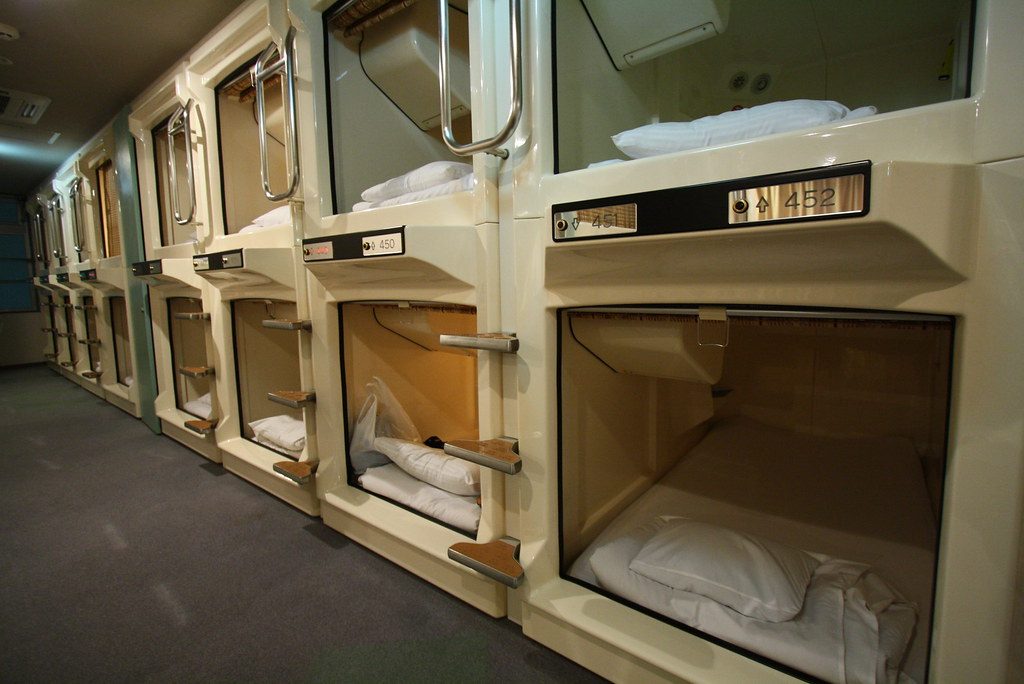
First Cabin Haneda | My Night in an Awesome Japanese Capsule Hotel
First Cabin Haneda in Terminal 1 is the perfect capsule for a long layover in Tokyo.

If you wish to travel far and fast, travel light.
Take off all your envies, jealousies, unforgiveness, selfishness and fears.
~ Cesare Pavese
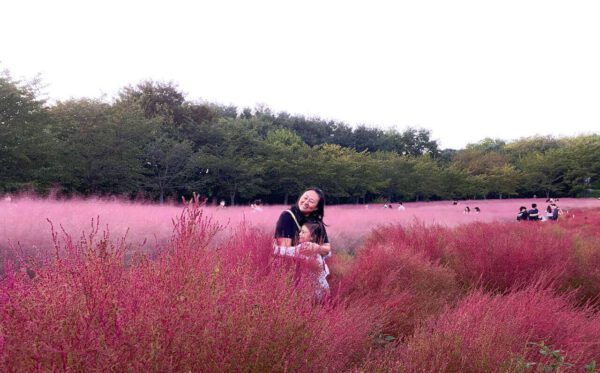
Hi! I’m Shelley, the woman behind the words.
I’m a coffee loving, cubicle hating, toddler toting introvert, who quit the grind 10 years ago… to live life on my own terms.
Traveling & living around the world has changed my life in all the very best ways. And I hope the words and images here inspire you not just to dream, but to actually set forth on an adventure of your very own.
On my blog, you’ll find destination guides, down to earth travel advice, and way too honest info about the 61 countries I’ve visited independently so far. Follow along, comment and ask me all your burning travel-related questions. Let’s connect!
One does not discover new lands
without consenting to lose sight of the shore for a very long time.
~ Andre Gide
Spring in South Korea
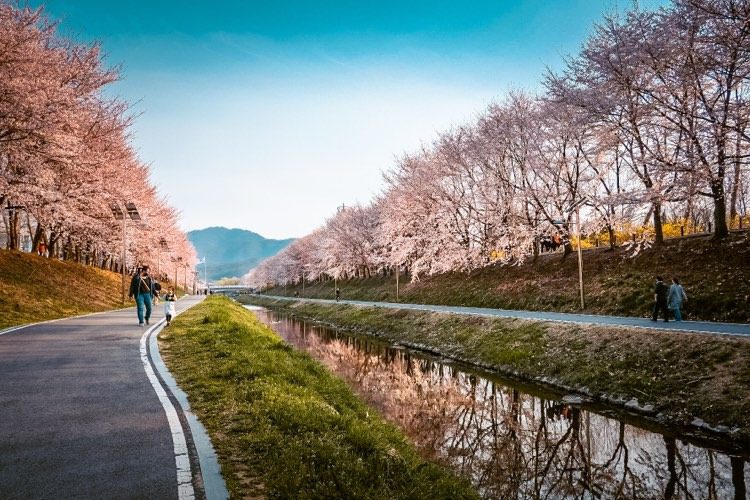
Spanning the months of March, April, and May, spring is one of Korea’s most beautiful seasons. Spring is one of Korea’s travel peaks, as people come from all over the world to enjoy the comfortable climate, and chase cherry blossoms around the country.
What to do in Korea in Spring
From brilliant glowing lanterns to flower filled events, spring in South Korea is packed with amazing festivals. It’s the ideal time to explore outdoors, with beautiful nature in full bloom everywhere. The annual Lotus Lantern Parade is a can’t miss spectacle with thousands of lanterns lighting up Seoul’s night sky.
Best Spring Day Tours in Korea for 2024
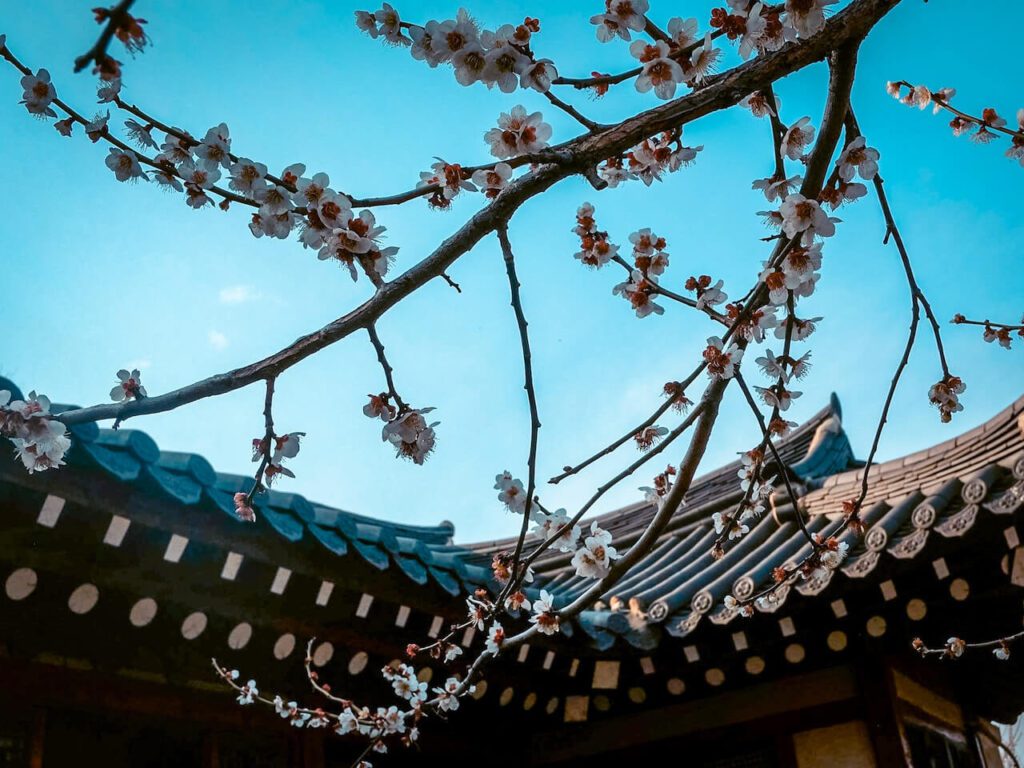
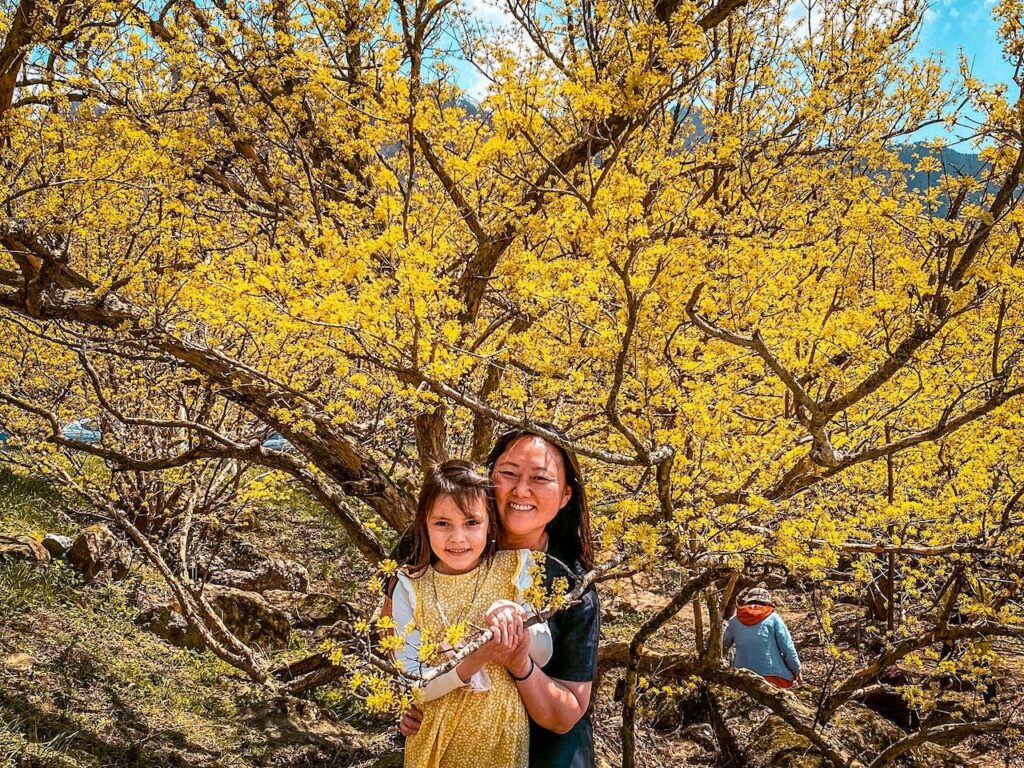
When plum blossoms in Gwangyang Maehwa Village and Sansuyu in Gurye burst into bloom in mid-March, cherry blossoms, azalea, and other spring flowers are not far behind. Like cherry blossom season, the dates for most of these spring tours is incredibly limited.
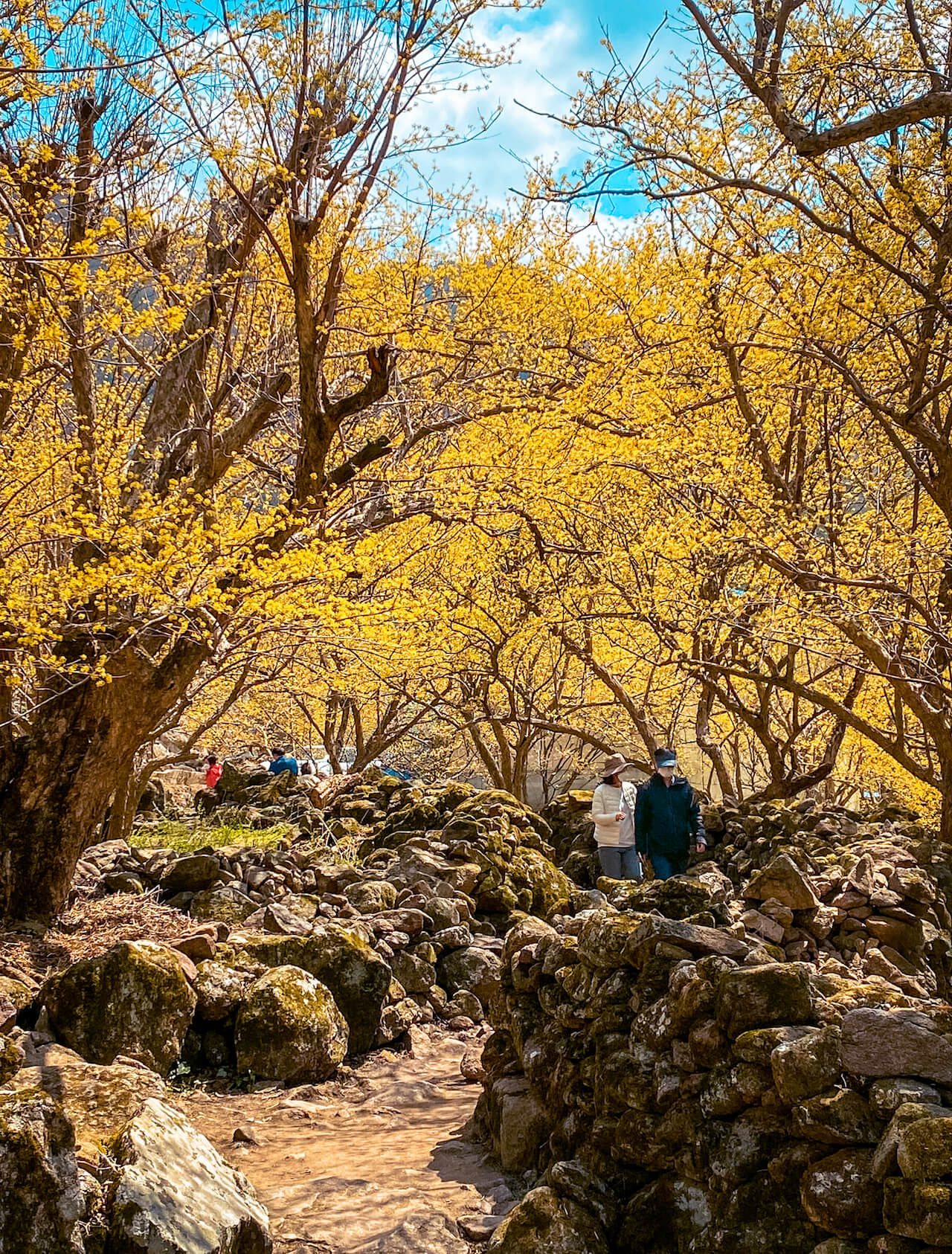
Vibrant sansuyu is one of the first spring flowers to bloom in Korea.
Taking place for a few weeks each year, these day tours make it easy to get to some of the more challenging hotspots in rural areas around the country – saving you precious time on your travels.
- Seoul Seasonal Hot Attractions Tour | March 2nd – May 14th, 2024
- Gwangyang Maehwa & Jeonju Hanok Village Tour | March 8th – 20th, 2024
- Spring Flowers + Cherry Blossoms at Hwaseong Fortress | March 18th – April 29th, 2024
- Spring Flower Festivals at Jeonju Hanok Village | March 18th – May 31st, 2024
- Pocheon Art Valley + Strawberry Farm Experience | March 18th – June 30th, 2024
- Jinhae Cherry Blossom Festival Tour | March 25th – April 5th, 2024
- Hadong Cherry Blossom Road + Ssanggyesa + Cable Car | March 25th – April 5th, 2024
- Gyeongju Cherry Blossom Festival from Busan | March 25th – April 7th, 2024
- Hwadam Forest Cherry Blossoms + Spring Flowers | March 27th – April 26th, 2024
- Incheon Cherry Blossom + Wonmisan Azalea Festival | April 3rd – 10th, 2024
- Cherry Blossom Hunting in Seoul and Gyeonggi-do | April 5th – 14th, 2024
- Taean Tulip Festival + Strawberry Picking Experience | April 12th – May 7th, 2024
- King Cherry Blossom Hunting Tour from Busan | April 12th – 21st, 2024
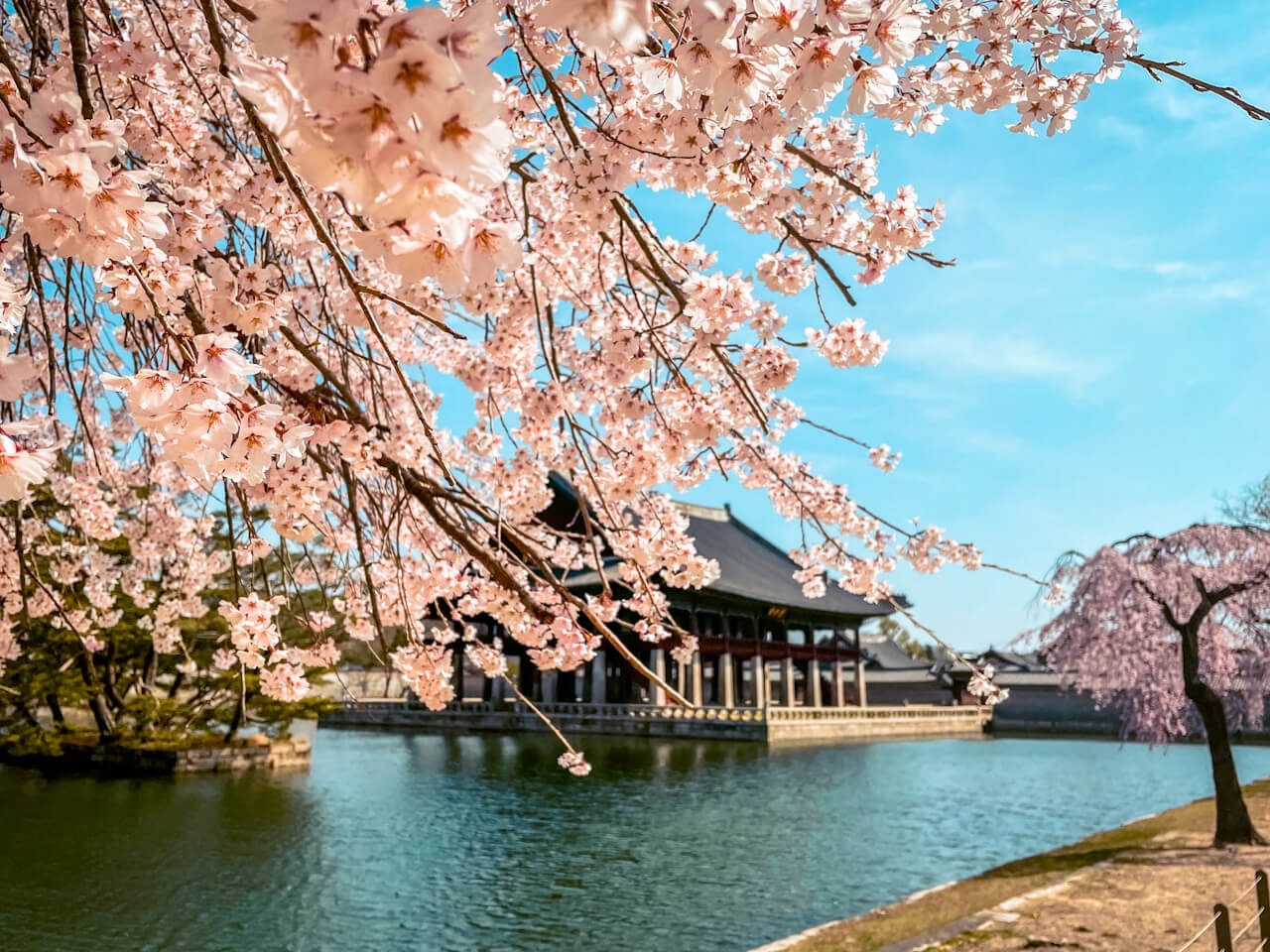
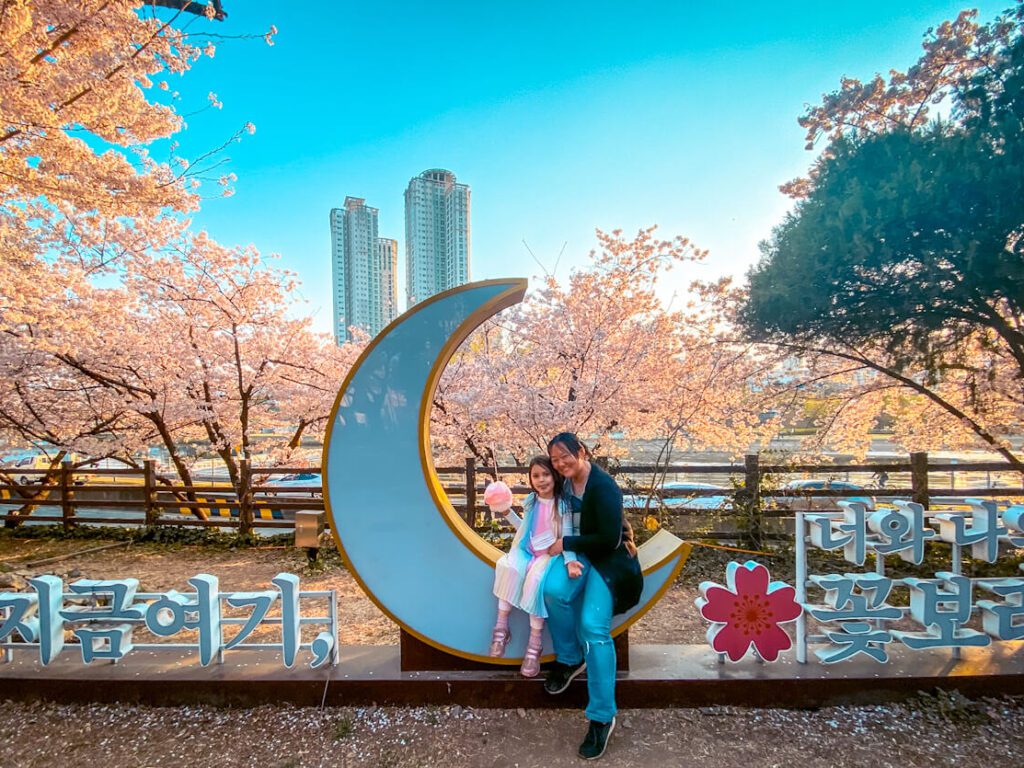
Cherry blossom hunting is a national spring obsesssion.