

Jeongwol Daeboreum is a centuries old tradition, dating way back to the Three Kingdoms Period in Korea. It celebrates the first full moon after Seollal with a number of ancient rituals designed to bring good luck and great health in the coming year.

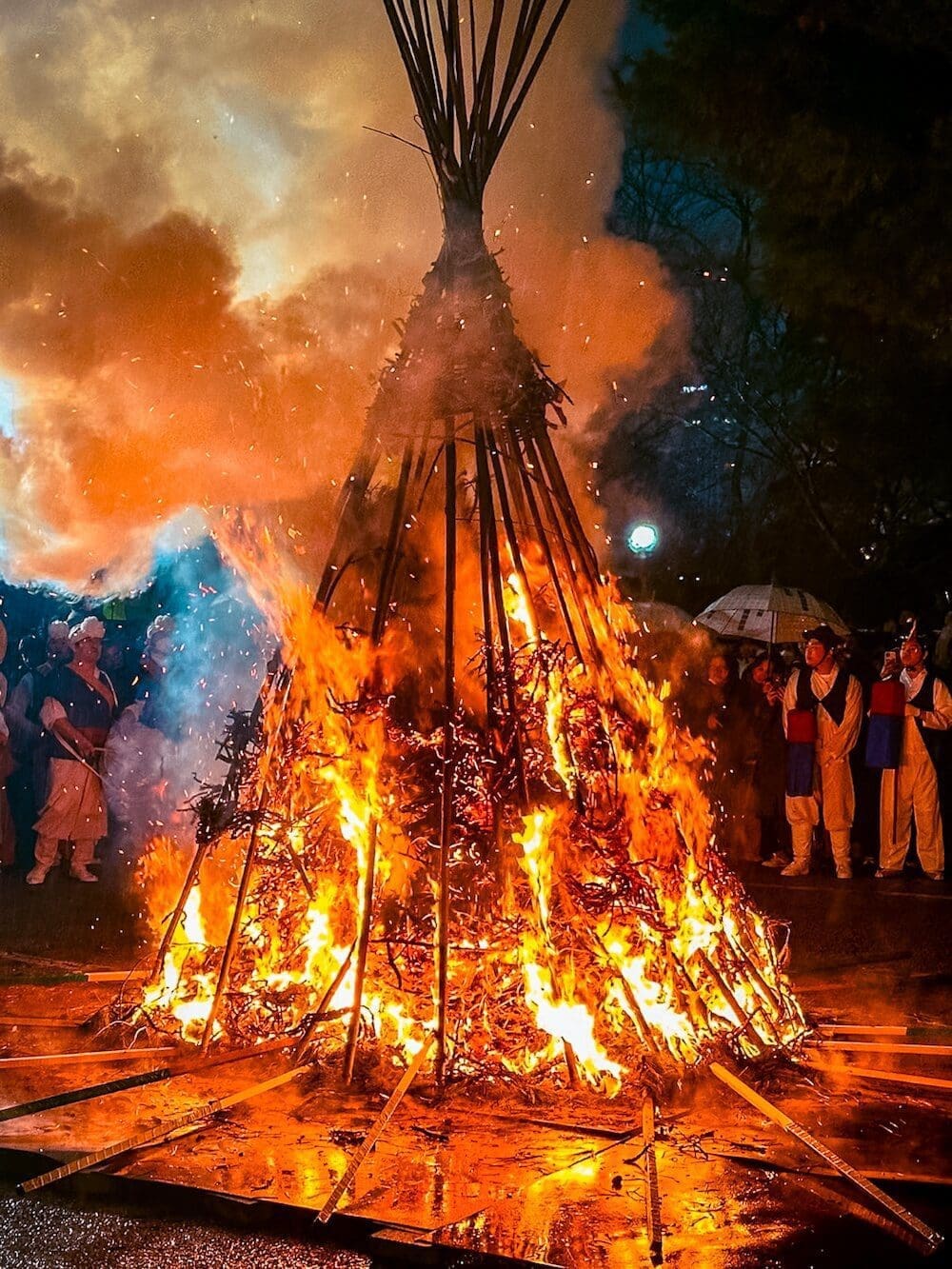
I went to a Daeboreum festival for the first time last year, and was incredibly moved by the experience. Listening to the beat of the janggu, and watching the flames lick the sky, I couldn’t help but feel like I was taking part in something ancient and uniquely Korean.
*Any purchases made through affiliate links here help run this site.
TITLE: 🌕 Jeongwol Daeboreum: Quick Festival Snapshot INTRO_START Jeongwol Daeboreum is a centuries-old tradition that celebrates the very first full moon after the Lunar New Year. If your travel dates place you in South Korea during February or March, checking out one of these traditional fire festivals is an unforgettable way to experience authentic folk customs up close. INTRO_END INFO1_ICON: 🗓️ INFO1_LABEL: Next Date: INFO1_TEXT: Sunday, February 21st, 2027 INFO2_ICON: 🔥 INFO2_LABEL: Core Ritual: INFO2_TEXT: Daljib Taewugi (Burning the Moon House) INFO3_ICON: 🥢 INFO3_LABEL: Fest Food: INFO3_TEXT: Ogokbap (5-grain rice) & Bureum nuts INFO4_ICON: 📍 INFO4_LABEL: Top Venues: INFO4_TEXT: Namsangol Hanok Village & Haeundae Beach BTN_TEXT: Skip to the Best Places to See the Festival ↓ BTN_URL: #where-to-see-the-great-full-moon-festival-in-koreaWhen is Daeboreum Celebrated?
Jeongwol Daeboreum is rooted in Korea’s agrarian history. As the first full moon of the new lunar new year shone above their crops, it was a time for farmers to wish for abundance in the coming year, with a number of meaningful rituals.
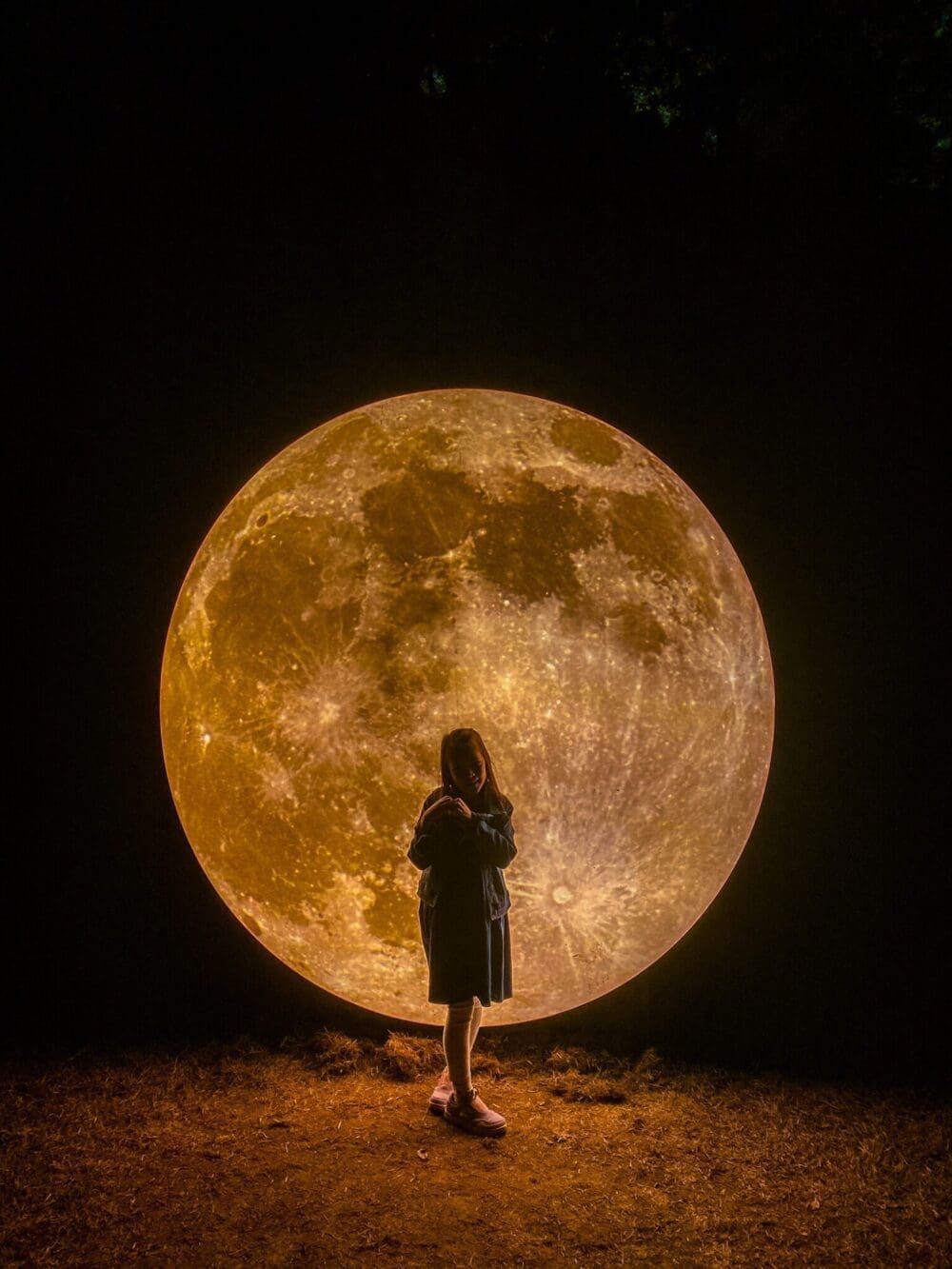
Daeboreum or the Great Full Moon is celebrated on the 15th day of the first month of the Lunar New Year. That’s why this event is sometimes referred to as Jeongwol Daeboreum – which would literally translate into “first month full moon” of the lunar year.
The date of Daeboreum is calculated anew every year, but it usually falls in either February or March. It takes place 15 days AFTER Seollal or Korea’s Lunar New Year.
If you’d like to start planning a trip to attend a Great Full Moon Festival in Korea, Jeongwol Daeboreum celebrations take place on the following dates over the next few years.
- Sunday, February 21st, 2027
- Thursday, February 10th, 2028
- Tuesday, February 27th, 2029
What are the Daboreum Traditions?
There are a number of customs associated with the Great Full Moon Festival in Korea.
Jeongwol Daeboreum traditions are designed to bring good health, prosperity, and luck in the new year. It’s also common to eat and drink particular foods during this time, for the same reason.

Jeongwol Daboreum rituals include:
- Daljib Taewugi | 달집태우기: a triangular shaped moon house (the daljib) made out of straw and twigs is set on fire to ward off evil spirits and bring good luck
- Jisinbalgi | 지신밟기: as the daljib starts to burn, stomping on the ground wards off evil spirits and brings good luck and abundance
- Ganggangsullae | 강강술래: an ancient Korean dance performed by women that was used to bring an abundant harvest
- Byeotgaritdae | 볏가릿대: usually carried out by farmers to bring a year of abundance, involves piling sheaves of rice into the shape of a cone
- Jwibulnori | 쥐불놀이: this is a traditional game that’s usually played by children, where charcoal fires are lit in cans and whirled around on strings to ward off evil spirits
- Dalmaji | 달맞이: a hike up to make powerful wishes on the the great full moon as it rises
- Daribabki | 다리바끼: crossing bridges on foot, this custom is an effort to strengthen the legs and prevent sickness for the year.

Foods that are commonly eaten during Jeongwol Daeboreum:
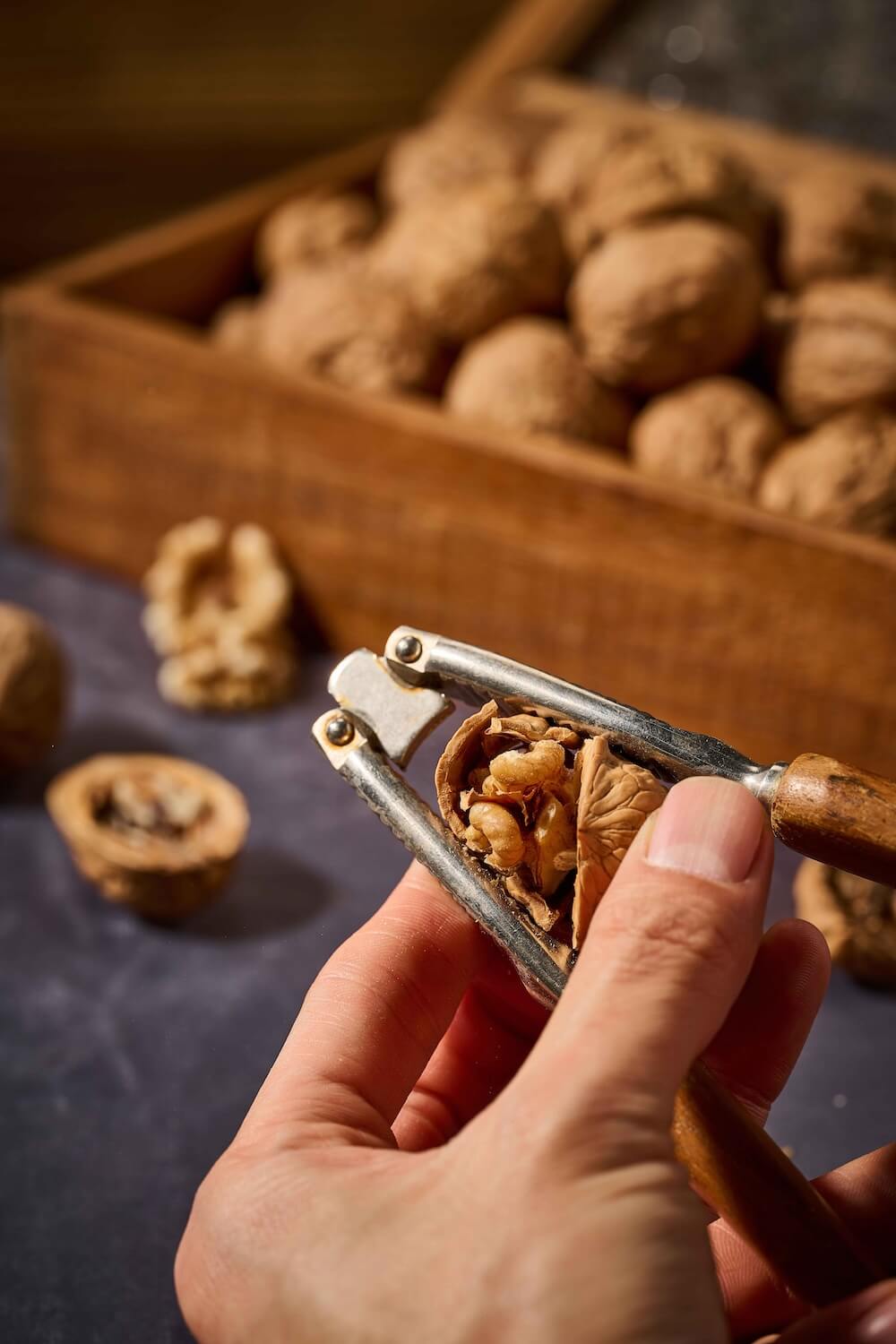
- Bureum Kkaegi | 부름깨기: eating nuts by cracking the shells with your teeth to promote healthy teeth, prevent skin boils, and bring good luck
- Gwibalgisul | 귀발이술: an ear-sharpening wine that is drunk on Daeboreum to bring good news all year long
- Ogokbap | 오곡밥: a 5 grain rice that’s commonly eaten on the morning of the Great Full Moon
Planning a trip to Korea?
Connect with other travellers | Ask and get answers to all your travel questions | Learn about all the best things to do in Korea | Join my Seoul and Beyond, South Korea Travel Planning Group on Facebook now.
Korea Travel Essentials
Don’t board that plane to Seoul until you’ve sorted out accommodation, transport from the airport, and your data on the ground.
Where to See the Great Full Moon Festival in Korea?
There are different Jeongwol Daeboreum festivities taking place all across Korea. I loved the Daeboreum festival I went to in Seoul, but I’d say that you’ll find bigger events outside of the capital area.

This is mostly due to their safety concerns and their venues on beaches or near riversides. Less populated locations generally means bigger bonfires.
Jeongwol Daeboreum in Seoul
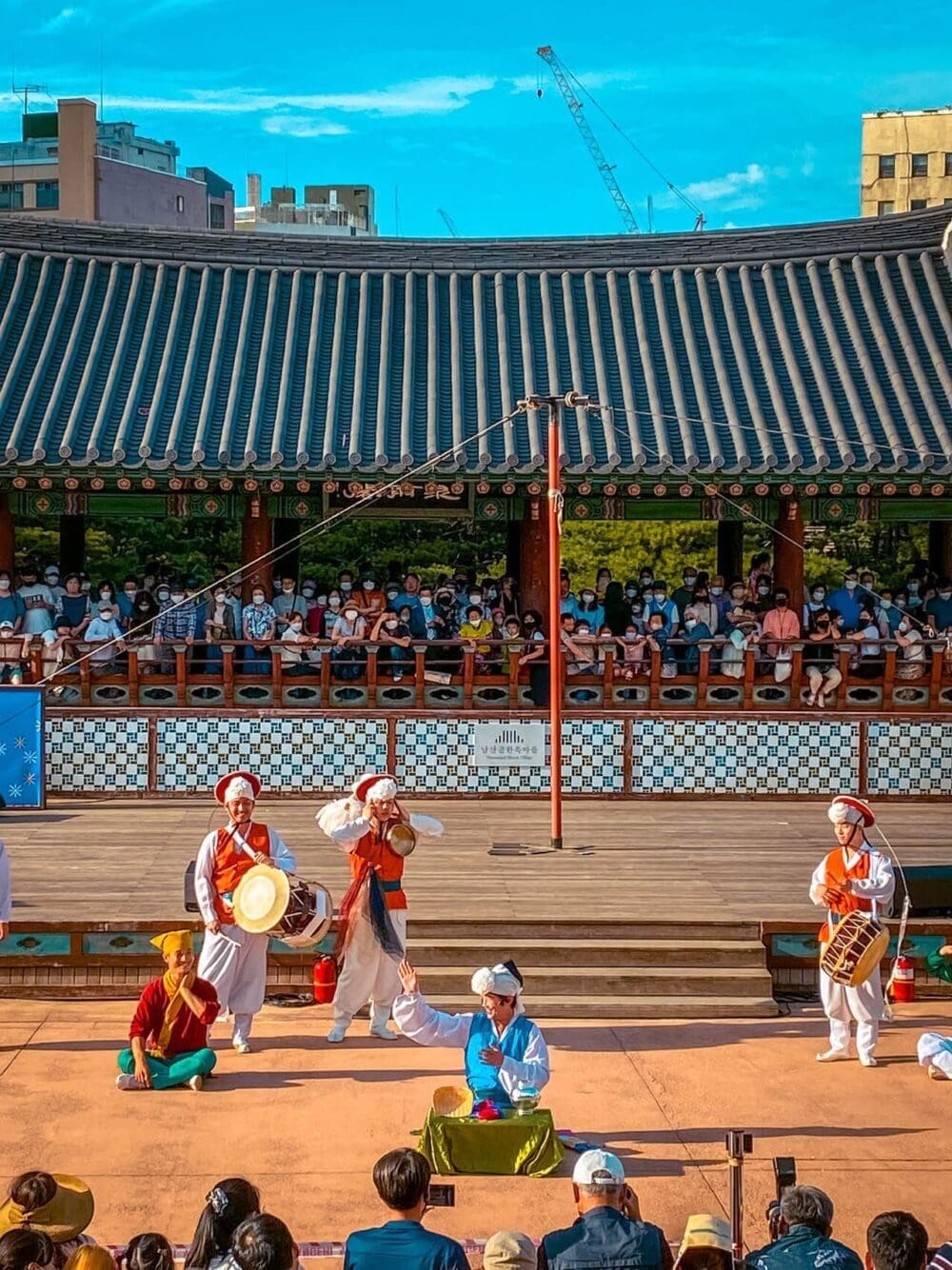
The biggest Daeboreum celebration in Seoul is at Namsangol Hanok Village. This is a great one to attend if you’re staying near Myeongdong, since it’s walking distance from the area.
The other festival that I know of is at Seokchon Lake (this is the one I went to). If you’re already in Jamsil checking out Seoul Sky Observatory, or Lotte World Adventure, it’s definitely worth adding the Jeongwol Daeboreum event to your evening itinerary.
LOTTE WORLD ADVENTURE | Lotte World Adventure is Seoul’s biggest theme park, with both indoor and outdoor areas to explore. Discounted admission tickets and fast passes for rides make the day much more enjoyable. Check info here.
Namsangol Hanok Village | 남산골한옥마을
NAME: Namsangol Hanok Village DESCRIPTION_START A scenic collection of traditional Korean houses in central Seoul and a primary venue for major cultural holidays and full moon fire festivals. DESCRIPTION_END TRANSIT_LABEL: Getting There: TRANSIT_TEXT: Take Subway Line 3 or Line 4 to Chungmuro Station and head out of Exit 3 or Exit 4, then walk about five minutes. ENG_LABEL: Address: ENG_TEXT: 28 Toegye-ro 34-gil, Jung-gu, Seoul KOR_TEXT: 서울특별시 중구 퇴계로34길 28The Jeongwol Daeboreum Festival at Namsangol Hanok Village is likely one of the biggest great full moon festivals in Seoul.
Activities typically start around 2PM with Daeboreum traditions like bureom-kkaegi and gwibalgisul traditional liquor tasting to wish for good luck and health for the coming year.

Make sure to stick around until nightfall to watch traditional Korean percussion performances, ancient rites, and the dramatic burning of the daljib.
Watch as wishes for the new year fly up into the sky, along with the fiery pine sheaves of the daljib. These symbolize the burning away of bad luck and optimism for the year to come.

This event is totally free to attend, with no reservations required, but could be cancelled based on weather conditions. Be sure to confirm the event is still running before heading to Namsagol Hanok Village for the Daeboreum festival.
JINHAE CHERRY BLOSSOM FESTIVAL | The Jinhae Cherry Blossom Festival is Korea’s biggest spring festival, full of pretty, pink blossoms, retro trains, and a traditional vibes. It’s cheaper to join a tour than go DIY! Check details here.
Seoul Norimadang | 서울놀이마당
NAME: Seoul Norimadang (Seokchon Lake) DESCRIPTION_START An open-air traditional performance amphitheatre nestled right along the banks of Seokchon Lake in southeastern Seoul. DESCRIPTION_END TRANSIT_LABEL: Getting There: TRANSIT_TEXT: Take Subway Line 2 or Line 8 to Jamsil Station, use Exit 3, and walk about ten minutes down past the lakefront. ENG_LABEL: Address: ENG_TEXT: 124 Jamsil-ro, Songpa-gu, Seoul KOR_TEXT: 서울특별시 송파구 잠실로 124 서울놀이마당I personally attended the Jeongwol Daeboreum celebration at Seoul Norimadang in Jamsil area last year. Despite the fact that it was pouring rain, it went on as planned, and we had an amazing cultural experience.
This Great Full Moon Festival in Seoul started with traditional Korean performances and drumming at a stage next to Seokchon Lake, followed by a procession to the nearby Seoul Norimadang parking lot.

There, we took part in a number of Jeongwol Daeboreum customs, including a walk over a bridge into the new year, cracking peanuts for bureum kkaegi, and watching the daljip burn.
While I didn’t truly understand the significance of everything we did, we just followed the crowd, and allowed ourselves to be swept up in all the excitement.
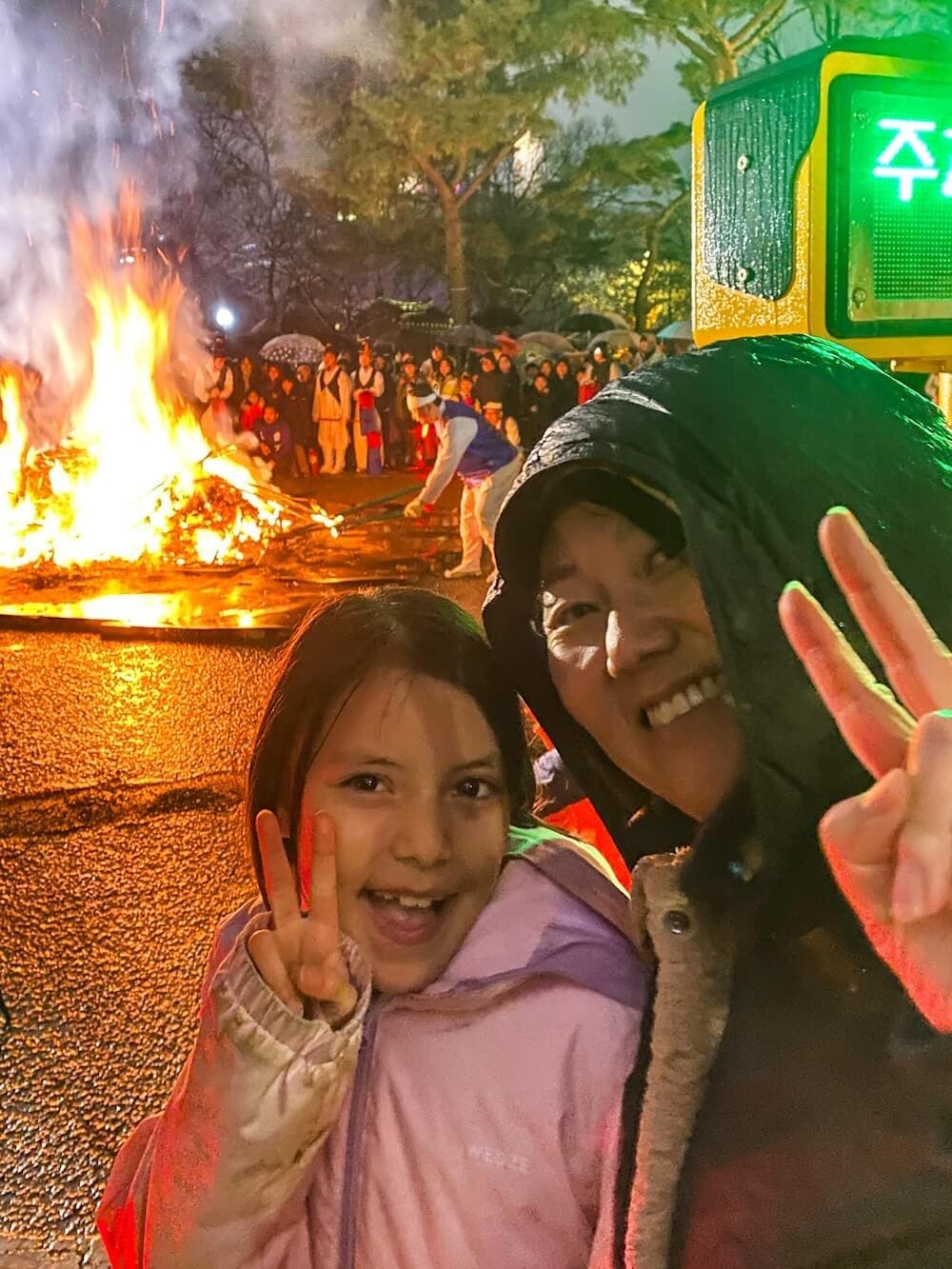
The Daljib Taewugi was definitely the highlight for me, with a huge bonfire crackling and setting sparks up into the night sky.
Accompanied by the beat of Korea’s traditional drums, ancient rites, and a guy dancing around the fire dressed in drag hanbok (yeah really) – it was a totally unique experience I’ll never forget.

Jeongwol Daeboreum Events in Busan
There are several different spots to catch Full Moon celebrations in Busan. These include the burning of the Daljip, folk plays, ganggangsullae, other special rituals and traditional games as well.
Haeundae Dalmaji Hot Springs Festival
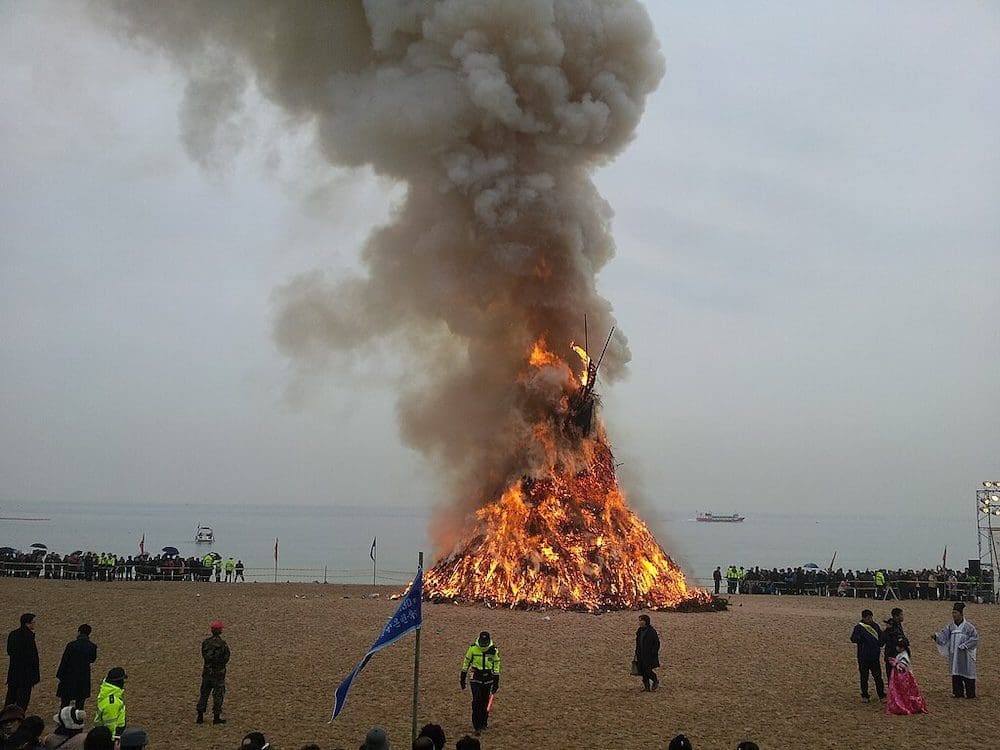
NAME: Haeundae Beach (Dalmaji Hot Springs Venue) DESCRIPTION_START Busan’s iconic main beach strip, which hosts a massive moon house bonfire directly on the sand during full moon festivities. DESCRIPTION_END TRANSIT_LABEL: Getting There: TRANSIT_TEXT: Take Busan Subway Line 2 to Haeundae Station, use Exit 3 or Exit 5, and walk straight down towards the waterfront. ENG_LABEL: Address: ENG_TEXT: 264 Haeundaehaebyeon-ro, Haeundae-gu, Busan KOR_TEXT: 부산광역시 해운대구 해운대해변로 264This Daeboreum celebration takes place on Busan’s Haeundae Beach. Participate in Moon House Prayers, wish writing, and other events, before watching a massive Daljib Taeugi bonfire on the beach.
Festival events typically take place over 3 days, and culminate with the burning of the Moon House on the evening of Daeboreum.
26th Suyeong Traditional Daljip Nori
NAME: Suyeong Traditional Daljip Nori (Gwangalli Beach) DESCRIPTION_START Busan’s famous beachfront festival venue at Gwangalli where traditional folk performances and a massive moon house bonfire take place under the bridge. DESCRIPTION_END TRANSIT_LABEL: Getting There: TRANSIT_TEXT: Take Busan Subway Line 2 to Gwangan Station (Exit 3 or 5) or Geumnyeonsan Station (Exit 1 or 3) and walk down to the beach. ENG_LABEL: Address: ENG_TEXT: 219 Gwanganhaebyeon-ro, Suyeong-gu, Busan KOR_TEXT: 부산광역시 수영구 광안해변로 219The Suyoung Traditional Daljip Burning welcomes the first full moon of the Lunar New Year, with traditional folk performances, and the burning of a massive moon house as night falls.
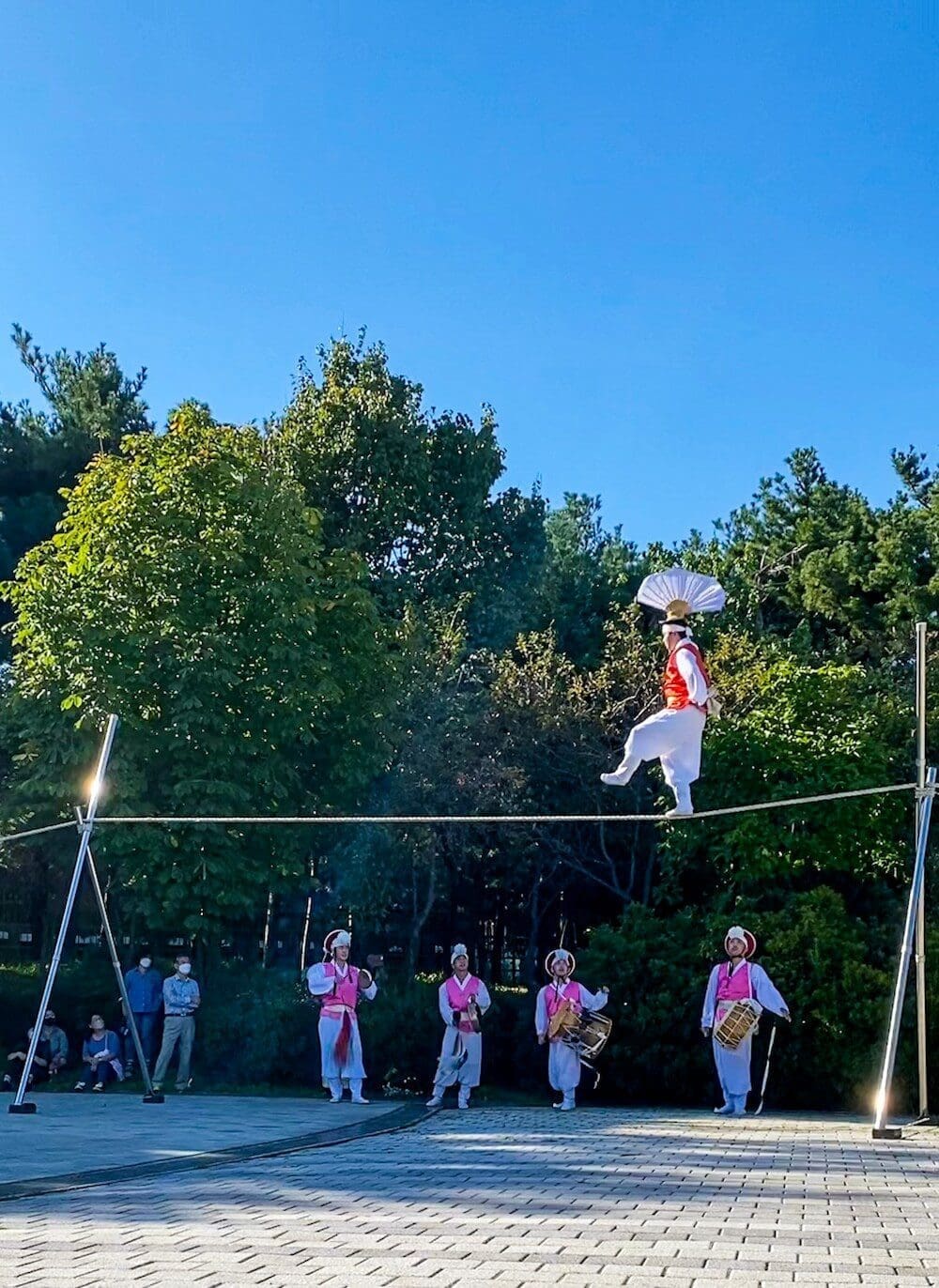
Watch out for a special tightrope performance by Korean master Kwon Won-tae, and make sure to write your hopes for the new year on the Sowangpo wish paper, before they’re set aflame for Daeboreum.
BUSAN CITY TOUR | From the sky capsule to the Hadong Yonggungsa Temple to Gamcheon Culture Village, it’s easy to create your perfect day in Busan with this all-inclusive tour. Get details here.
Samcheok Jeongwol Daeboreum Festival | 삼척정월대보름제
NAME: Samcheok Jeongwol Daeboreum Festival (Estimated) DESCRIPTION_START One of the biggest and most historic four-day full moon fire festivals in South Korea, featuring traditional folk games, epic tug-of-war parades, and a dramatic moon house bonfire. DESCRIPTION_END DATES_LABEL: Festival Dates: DATES_TEXT: February 19th – February 22nd, 2027 (Tentative) ENG_LABEL: Address: ENG_TEXT: 45 Expo-ro, Samcheok-si, Gangwon-do KOR_TEXT: 강원특별자치도 삼척시 엑스포로 45 START_DATE: 2027-02-19 END_DATE: 2027-02-22The city of Samcheok in Gangwondo throws one of the biggest Jeongwol Daeboreum festivals in Korea.
Its full moon festival started way back in 1973, and continues today with a 4 day celebration that’s absolutely packed with traditional activities, performances, parades, a drone show, and Daeboreum rituals. Make sure not to miss the gijuldarigi, Samcheok’s totally epic game of tug-of-war.

The burning of the iconic daljib at Samcheok’s Daeboreum festival is slated for February 28th, 2026 at 20:00. Check their website for full details about this, and all their other events (of which there are many!)
Daegu Geumho River Jeongwol Daeboreum Festival
NAME: Daegu Geumho River Festival Grounds (Sangyeok Camping Ground) DESCRIPTION_START A sweeping riverside park space that transforms into Daegu’s largest folk festival venue for full moon prayer rites. DESCRIPTION_END TRANSIT_LABEL: Getting There: TRANSIT_TEXT: Take Daegu Subway Line 1 to Chilseong Market Station, then catch local bus Buk-gu 2 straight to Sangyeok Bridge. ENG_LABEL: Address: ENG_TEXT: Sangyeok Bridge Riverside, Buk-gu, Daegu KOR_TEXT: 대구광역시 북구 상격동 (상격대교 하류 둔치)The Daeboreum Festival on Daegu’s Geumho River is the city’s biggest folk festival. Join tens of thousands of local residents experiencing Korean archery, flying a quite, jwibulnori (using LED lights), performances, prayer rituals, and much more.
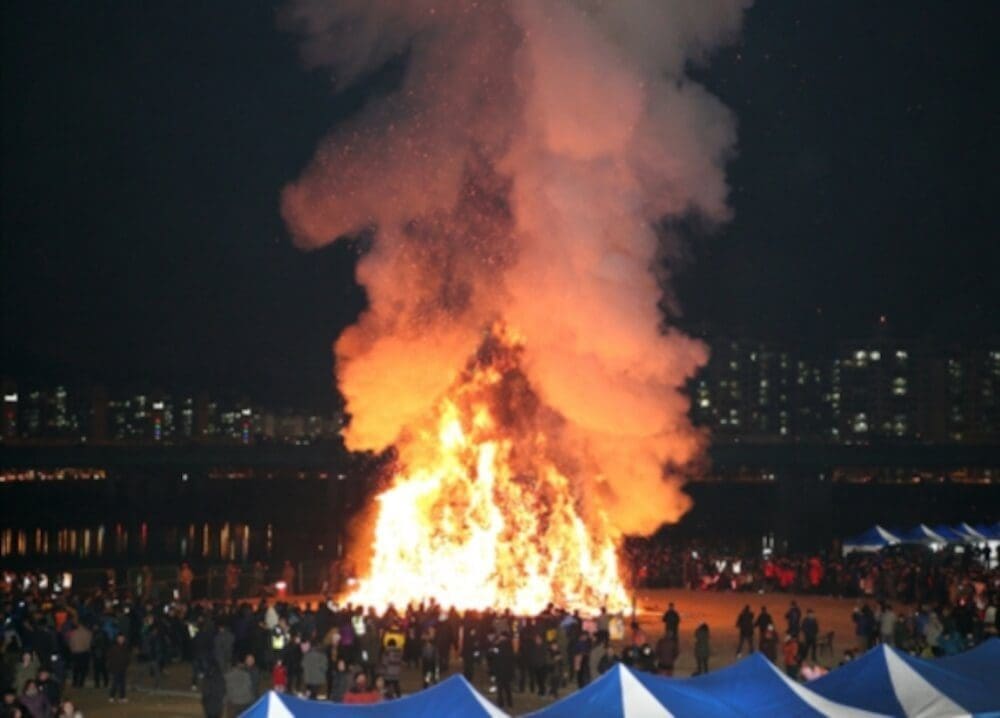
As with any Great Full Moon Festival in Korea, the burning of the Moon House is the highlight. Watch as fiery flames burn paper wishes and take them up to the sky.
SEOUL TO DAEGU KTX TRAIN TICKETS | The KTX bullet train is the fastest, most comfortable way to get between Seoul and Daegu. Check info here.
Jeju Fire Festival | 제주들불축제
NAME: Jeju Fire Festival (Estimated) DESCRIPTION_START The biggest fire festival on Jeju Island, featuring ancient livestock pasturage customs, media art, and a dramatic virtual torching of the Saebyeol Oreum volcanic cone. DESCRIPTION_END DATES_LABEL: Festival Dates: DATES_TEXT: Mid-March, 2027 (Tentative) ENG_LABEL: Address: ENG_TEXT: San 59-8, Bongseong-ri, Aewol-eup, Jeju-si, Jeju-do KOR_TEXT: 제주 제주시 애월읍 봉성리 산59-8 START_DATE: 2027-03-11 END_DATE: 2027-03-14The Jeju Fire Festival technically isn’t a Jeongwol Daeboreum event, but I’ve included it for those of you visiting Korea in March. It has many similarities. It’s held on the night of a full moon in March, features the burning of moon houses, and several ancient rites and traditions.

Created to celebrate Jeju’s tradition of bangae, where fields were burned between late winter and early spring to renew the grass and exterminate pests, the highlight was the entire volcanic Saebyeol Oreum set ablaze!
After much debate and cancellations over the last few years (due to environmental concerns), the Jeju Fire Festival is FINALLY back on – although with some eco adaptations. This year, the Saebyeon Oreum will be set virtually ablaze using a combination of media art and digital technology.

Other Jeongwol Daeboreum Festivals in Korea
There are many more Great Full Moon Festivals taking place in Korea, than the ones I’ve listed here. Off the top of my head, I know of 2 more in Busan, 1 in Sokcho, 1 in Wonju, and 1 in Ulsan. There are, without a doubt, many more.
If you’re visiting at this auspicious time, make sure to do a bit of research and seek out an event near you. This is a meaningful window into Korea’s past that you definitely won’t regret going to.

Jeongwol Daeboreum: Essential Info and FAQs
1. When is Jeongwol Daeboreum?
Daeboreum celebrates the first full moon after Seollal (Korean Lunar New Year). This is on the 15th day of a new lunar year.
2. What is the meaning of Jeongwol Daeboreum?
Jeongwol (정월 in Korean) means the first month of the lunar calendar, and Daeboreum (대보름 in Korean) means Great Full Moon.
3. What happens at the Jeongwol Daeboreum Fire Festival?
At the Great Full Moon Fire Festival, there are a number of rituals to ward off evil spirits and bring good luck for the coming year. These include bureum kkaegi – cracking nuts, drinking gwibalgisul to bring good news, and the burning of a daljib or Moon House.
4. Where can I celebrate Daeboreum in South Korea?
There are Jeongwol Daeboreum events all over Korea, but some big festivals take place at Seoul’s Namsangol Hanok Village, Daegu’s Geumho River, Busan’s Haeundae Beach, and in Samcheok.
What will you wish for upon the Great Full Moon in Korea?
I originally researched, wrote & published this guide on February 7, 2025. I review & update my content for accuracy regularly. Watch out for copycats.This post was last updated on April 29, 2026. Copyright © 2025–2026 Travel-Stained. All rights reserved.


